66 Business Analyst Interview Questions and Answers for 2024

As a business analyst (BA) prospect, you will face stiff competition from others who have all the same skills and qualifications. The only difference will be your ability to convince Human Resource (HR) managers why you are better.

On the opposite end of the interview desk, HR managers face their own struggles. They need to align potential employees with organizational goals and overall vision. Human capital holds the potential to make or break any business so making the right decision is crucial. 

The decision to move an interviewee along the line depends on your ability to judge their skills based on a few minutes of conversation.

We have just the solution for both interviewees and interviewers. Take a look at our comprehensive list of business analyst interview questions and answers.
Understanding Business Analysis

In simple terms it’s a way of saying that someone is looking at how a company is doing and figuring out how to make it better. Business analysts do this by taking a close look at everything – from the products and services a company offers to their customers and even their competitors. They use special techniques like gap analysis and benchmarking to find ways to improve efficiency and help the company reach its goals. Here are some ways they do that…

Analyzing data

Analyzing data is crucial in making informed decisions, and strong analytical skills are essential for business analysts. They must be able to gather relevant information from various sources, process it into meaningful insights, and validate their ideas with additional research. Strong quantitative skills to interpret complex data accurately are a must.

Problem-solving

Problem solving requires customised solutions that go beyond the conventional, and business analysts must think strategically while considering short and long-term implications. Communication is vital when working as a business analyst. They need excellent written and verbal communication skills to present their ideas and recommendations effectively, understand different perspectives, and collaborate with colleagues from various departments.

Project management

Project management is crucial to ensure projects stay on track and progress efficiently towards completion. Skilled professionals must understand how to prioritise and delegate tasks among team members, and anticipate potential issues using risk assessment methods and strategies.

Business Analyst Interview Preparation

Before even setting foot in the interview room, you will need to make the cut with an exemplary BA CV. Analysts have very specific job descriptions and these need to be reflected.

You could spend hours sending out your CV, and never receive any response. What is the solution? Joining a career network is probably your best option. This will give you the opportunity to apply to exclusive positions.

Combined with professional qualifications, you can propel your career to the next level. This will save you precious time and give you access to the ideal employer.

For HR managers, sourcing these CVs is the 1st step in finding qualified candidates. The best, (and easiest) place is through an outstanding Talent Acquisition Network.

Talent acquisition has a more strategic approach compared to recruitment. So where do you find such talent, and how do you ensure they are of the caliber you require?

An interview does not begin when you walk through the door. Rather, you need to be as prepared as you would be for a test.

Here are a few tips to become adept at passing any interview:

Do your research:

Before walking into an interview, you must know who is interviewing you. You need to know the company you are looking to work for. This will let you tailor your answers to their specific requirements.

Know your future job:

Thorough knowledge of your future job is an easy way to highlight your specific capabilities in line with the job requirements.

Re-learn your skills:

Invest some time in refreshing your memory on the key skills involved in a BA position. Make sure you can do what you say in your CV.

Study interview questions:

A job interview is similar to a test in which you do not know the questions. Lucky for you, you have the chance to study as many interview questions as possible.

Prepare your own questions:

Interviewers usually ask you if you have any questions of your own at the end of the interview. Ask a few questions regarding the opening, the job duties, and what is expected of you. Ask questions about the future plans of the company and their vision for BAs in the organization. The aim is to leave a lasting impression before you leave the room.

Junior vs. Senior Level Business Analyst Interview Questions

As a BA, your level of education, as well as experience, determines how far up the ladder you can go. Most analysts require a basic business or tech educational background. Success in an interview will then depend on additional skills.

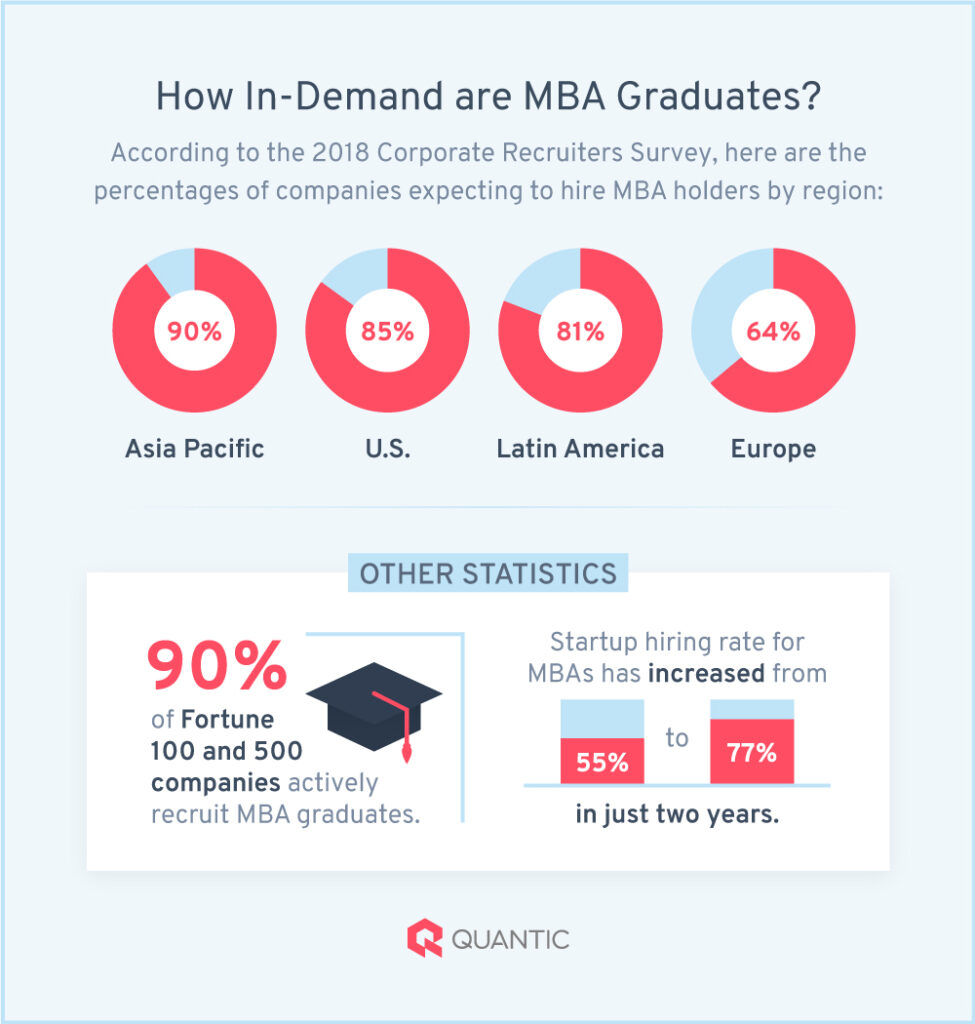
A great way to accelerate your career is to complete an MBA or EMBA degree and give yourself an extra leg up.

Junior analysts generally have less experience and may have recently graduated. One option to accelerate your career as a junior analyst is an MBA program. The traditional MBA program usually requires 2 years of full-time study. It equips you with the business skills to grow in your career.

But how about an MBA that takes only 10 months? You may think this would be a sub-standard program and you would be wrong. The Quantic MBA is a fast-paced, personalized program, taught online, giving you the advantage of earning while you work. With an MBA in your pocket, you will be better prepared to answer these junior analyst interview questions.

Junior Level Analyst Interview Questions

1. How do you propose to compensate for your lack of experience?

This question is key for junior analysts as it is an opportunity to show that you can use your education as a basis to learn new tasks. Explain what experience you do have. The point is to show that you are capable of assimilating new information.

2. How do you think you would fit this position as a junior analyst?

Your research into the company will come in handy when answering this question. Look at the company philosophy and working methods. Be ready to explain how you would adapt to perform in the new role.

3. How do you deal with giving difficult feedback, especially in a junior role?

This is a test of your communication skills. Show that you can be tactful and thoughtful when giving negative feedback. It shows you are capable of working in a team, or in a future managerial position.

4. Can you name two diagrams used by a business analyst?

You will need to remember what you have learned when answering these types of questions. Be sure to mention and elaborate on:

  • Case diagrams
  • Collaboration diagrams

5. What steps are required before converting an idea into a product?

Explain the different types such as SWOT, gap, market, and competitor analyses.

6. Can you name the initial steps in project development?

This is another question that will test your theoretical capabilities. If possible, give examples of these steps in action.

Initial steps include:

  • Market analysis
  • SWOT analysis
  • Personas
  • Competitor analysis
  • Identifying the strategic vision

7. What are the key phases of business development?

There are four key phases, namely: forming, storming, norming, and performing.

8. What are the exceptions?

These are unexpected errors that occur when you run an application.

9. Can you give an example of a time when you had to make a tough decision?

This question tests your decision-making skills and ability to think critically under pressure. Provide an example of a difficult decision you had to make and how you arrived at your final decision.

10. What data analysis tools are you familiar with?

As a junior analyst, you should be familiar with basic data analysis tools such as Excel, SQL, and Tableau. Be sure to discuss your experience with each tool and any specific projects you worked on using them.

11. How do you prioritize tasks when working on a project?

Time management is critical for junior analysts. Discuss your process for prioritizing tasks, such as using project management tools or creating a prioritization matrix based on impact and effort.

12. What are some current industry trends in data analysis?

Research current trends in the data analysis industry, such as artificial intelligence, machine learning, and big data. Be prepared to discuss how these trends may impact the company you are interviewing with.

Senior Level Analyst Interview Questions

Senior analysts generally have more experience and a higher level of education. If you are looking to move up from junior to senior analyst, an EMBA may be the best move for your career.

You probably have an impressive resume with relevant experience. Adding an EMBA allows you to move into a more senior role.

Here are some questions to expect during your interview:

13. Can you explain the key roles and responsibilities of a business analyst?

You may not be able to list all the ‘textbook’ capabilities, so tailor these to your experience. Some may include:

  • Creating detailed analyses
  • Defining business requirements
  • Communicating with stakeholders
  • Planning and monitoring projects
  • Managing teams

14. What is a flow chart and how do you use it?

A flowchart shows the flow of systems using diagrams and signs. Mention how you have used one to make systems understandable for stakeholders.

15. What tools do you typically use as a business analyst?

Refer to common tools such as Rational tools, Microsoft Office, and ERP systems. Demonstrate working knowledge of how you have used them in the past.

16. What is project management in BA and how have you used it in your experience?

Define project management as the process used to attain desired goals as a BA. Explain how you have used it to identify glitches and the goals you have achieved. These could be solutions such as better functionality, lower costs, etc.

17. Tell me about a suggestion you have made that has benefited an organization you’ve worked for?

Take this as an opportunity to show what you are capable of. Prepare an example that was accepted and had a positive impact. Try to relate it to the position you are applying for.

18. What measures do you take to increase your team’s productivity?

As a senior analyst, you will be expected to be a proficient leader. This question gives you the chance to show that you are able to motivate a team. Answer with a ‘team-mindset’ in mind. Explain how you would use managerial skills to help team members achieve organizational goals. Include practical examples such as mentoring or having an ‘open-door’ policy.

19. How do you ensure that your team is meeting project deadlines and delivering high-quality work?

As a senior analyst, you will be responsible for managing a team and ensuring that project deadlines are met while maintaining high-quality work. Describe your approach to managing teams, including how you motivate team members, monitor progress, and provide feedback to improve performance.

20. Can you provide an example of a difficult project you have worked on, and how you overcame any challenges?

Senior analysts often work on complex projects that require creative problem-solving and critical thinking skills. Share an example of a challenging project you have worked on, including the obstacles you faced and how you overcame them.

“Tell Me About Yourself” Business Analyst Questions

These are usually open-ended questions that give you the opportunity to explain yourself and your passion for the job. Some of the personal questions include:

21. Why do you want to work as a business analyst?

You can explain the story of how you started your journey into business analytics. Give details as to why you are interested in pursuing a career in the field. Tell the interviewer what inspires you to do your day-to-day job.

22. What do you hope to achieve as an analyst?

Employers will ask this to determine if the job fits into your career aspirations. Explain your future goals in line with the position you are applying for. You can touch on ambitions such as attaining a leadership position.

23. What would you say are your strengths as a BA?

Personalize your answer to this question. Be sure to show you understand the skills necessary to succeed in the job role. Discuss both soft and hard skills. Prepare three strengths using the below formula:

  • Awards: Name prizes you have won.
  • Accolades: Mention special honors you have achieved due to your strengths.
  • Anecdotes: Tell a story that demonstrates how you used your strengths.
  • Acknowledgments: Name special recognitions you have received.

24. What would you say are your weaknesses as an analyst?

Do not try to downplay this question. Answering honestly and taking responsibility shows you are aware of the areas you should work on.

Technical Business Analyst Interview Questions

A technical business analyst focuses on using software and hardware to provide analysis that can be used to improve business systems. With that in mind, interview questions will focus both on business and technical skills. Take a look at some questions that are specific to technical BAs:

25. Can you describe your SQL skills?

As a technical business analyst, SQL is key in performing any job function. The HR team will be looking for someone with practical skills such as data manipulation, navigation, and the ability to write queries. If the interviewer is part of a technical team, you can wow them with technical lingo. This will help them understand the scope of your skills.

26. Can you describe the types of SQL statements?

This is another technical question that tests your educational background. You will probably face this in an interview with a manager in the business analytics team. Do not be afraid to explain in-depth your knowledge of SQL. Expand on the types, namely:

  • SQL definition
  • SQL manipulation
  • SQL control

27. What is your experience with technical and functional documents?

All BA’s should be able to explain what solutions various systems provide. As a technical analyst, you will be required to discuss how the system will work. Tell the interviewer you would be able to create documents such as Stakeholder Analysis and Scope Statement.

28. How do you convey complex, technical information to non-technical stakeholders?

The way you answer will showcase your communication skills. Show that you can be relatable, able to create simple mockups, and answer questions in an understandable manner.

29. What are the components of UML as you understand them?

There is no set answer to this question as concepts can be derived from many sources. Be sure to mention components for UML:

  • Structure – actor, attribute, interface, object, etc
  • Behaviour – event, message, operation, state, etc
  • Relationships – association, composition, inheritance, etc

30. Can you describe your experience with UAT?

User Acceptance Testing is the final part of any analyst’s project. Go through these 5 steps and explain how you executed each one.

31. What is PaaS?

PaaS is a cloud computing platform that allows developers to build apps over the Internet. The services are accessible by users via their web browsers.

32. What is SaaS?

Software as a Service is used a third-party to host applications and give access via the Internet.

33. What is IaaS?

This is a form of cloud computing that provides virtual computing resources through the Internet.

34. What is CaaS?

Communications as a Service is a cloud-based solution that is leased from a single vendor over the Internet.

IT Analyst Interview Questions

35. How would you describe the role of an IT analyst in an organization?

This question is aimed at gauging your understanding of the position. Mention the fact that an IT analyst is key in the daily functioning of the organization. They ensure the smooth running of infrastructure and applications.

36. What are your technical certifications?

Have a list ready of your relevant certifications. If you are looking to continue studying, be sure to include these as well.

37. How do you ensure quality in deliverables?

To answer this, refer back to the client requirements that you would have gathered prior to providing a solution. Making sure the client is satisfied is key to measuring the quality of deliverables.

38. After researching a business tool, you come across two possible solutions. One is cloud-based, the other, premises-based. Which one would you recommend and why?

Guide the interviewer through your thought process when deciding on the best option. There is no concrete answer so explore both options. Give examples of when each could apply.

39. Provide examples of how you used data analysis to support your decision-making process.

The interviewer is looking to see if you understand the role of data analysis in decision making. Explain its importance in identifying problems and estimating the impact of possible solutions.

40. Which data visualization tools do you have experience with?

Your answer will show your ability to communicate with non-technical team members and clients. Have experience with at least one visualization technique.

Behavioral Business Analyst Interview Questions and Answers

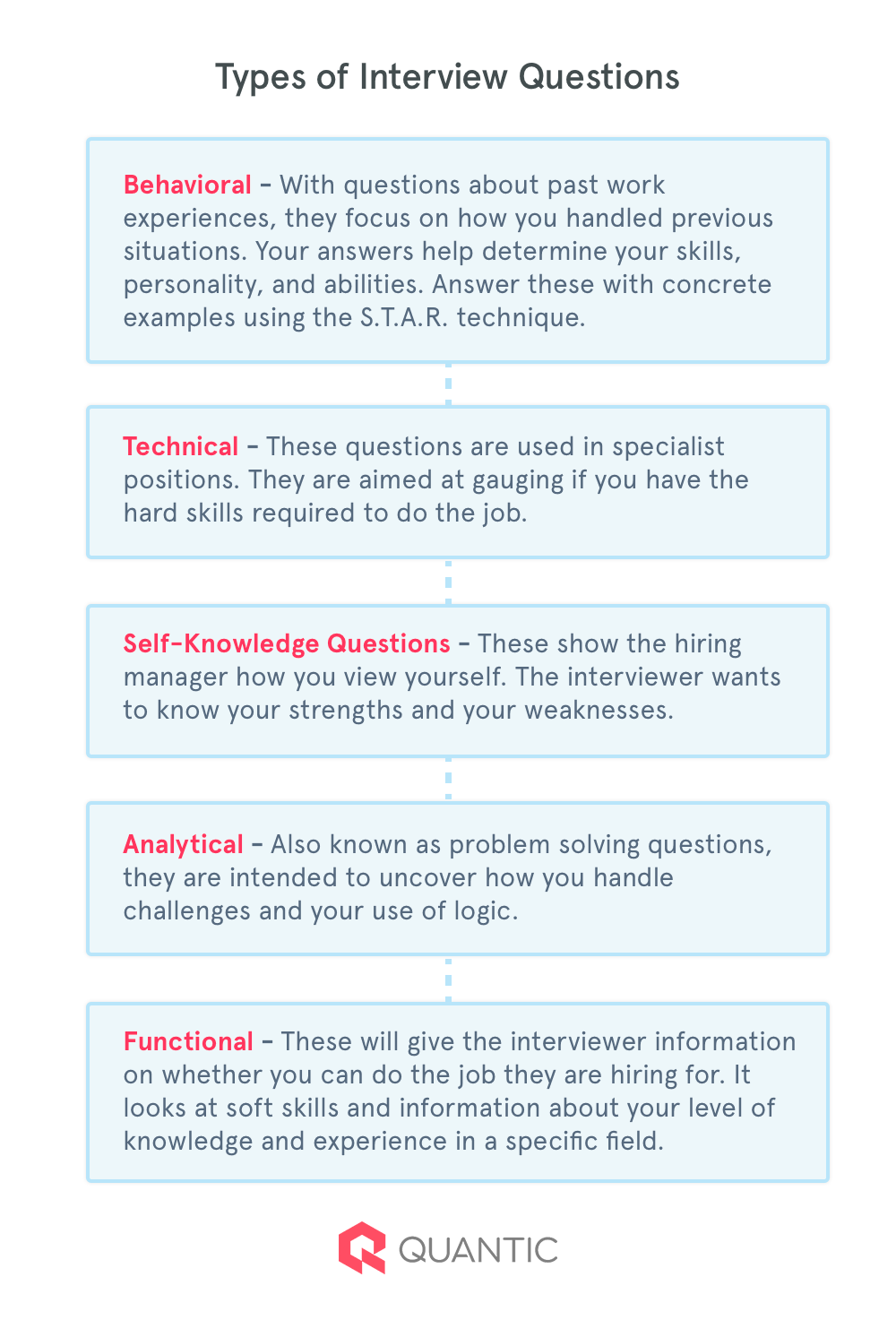
Behavioral interview questions work on the premise that past behavior is a good indicator of future behavior. 

To answer these types of questions, use the S.T.A.R. technique to structure your response.

Plan ahead for such questions with ready examples and remember to keep the tone positive.

Analysts may face the below behavioral interview questions:

41. How do you handle difficult stakeholders?

How you deal with difficult stakeholders will show how successful you are in completing projects. Show that you can be objective, control your emotions as well as reach an amicable resolution.

42. Can you tell me of a mistake you made? How did you handle it?

The key to this answer is honesty. No one can do their job perfectly so do not try to cover up your errors. The interviewer wants to see that you took responsibility and corrected the error.

43. Have you ever had to pitch an idea to a senior employee? How did you handle it?

The interviewer is looking at your communication skills as well as independent thinking. Outline the steps you took to prepare and the results of your pitch. If you have never had such an opportunity, explain how you would handle a pitch if given the chance.

44. Have you experienced conflict with a peer at work? How did you deal with it?

Using the S.T.A.R method, explain how the conflict arose and how you resolved it. Emphasize on communication skills and your conflict resolution strategy. Demonstrate the ability to understand other people and reach an agreeable solution.

45. Tell me of a time when you had to deal with a lot of stress or work under pressure.

This will reflect your ability to deal with pressure in the future. Provide tactics you use, such as adequate preparation, relaxation techniques, and your change of mindset when under pressure.

46. What is the biggest goal you have achieved as an analyst? How did you achieve it?

Prepare by having your proudest goal in mind. The key is to focus on the steps you took to achieve that goal.

47. Tell me of when you had to learn a new skill. How did you master it and how has it helped you in your career?

Using the S.T.A.R method, describe the type of training you underwent in relation to BA and the quantitative results. You want to show that you are open to learning and are capable of putting theory into action.

48. Tell me of a time when you did not achieve a goal.

Respond by showing that you are capable of handling failure. The interviewer wants to see that you learned from the experience, and can do things differently if faced with a similar situation.

Functional Analyst Interview Questions

Functional questions will focus on what an individual can do. They allow the hiring manager to evaluate your skills, education, and have a glimpse at your desired career path.

Some questions include:

49. What is your experience as a business analyst?

There is almost a 100% chance you will have to answer this question. Be prepared to break down your experience, and summarise it all concisely.

50. Why should we hire you?

By understanding the job description, you can link your specific skills and experience with what the company wants. If your skills are not up to par, emphasize passion and commitment.

51. What are your current job responsibilities?

This is to see if your duties match the job requirements and those on your CV. Expand on the points in your resume and give a clear picture of what you currently do.

52. What is your educational background?

This is one of the simpler questions. Give relevant information on your education and how it could be applied to your career as a BA.

53. What does your typical day look like?

There is no ‘typical day’. This is aimed to see how you plan and how efficiently you organize your time.

54. What is most satisfying about your job?

Your answer will reveal what you believe in as an employee. Speak of an element of the job that applies to the job you are interviewing for.

55. What is the most challenging part of your job?

Breakdown your job and decide which challenges you face, but focus on the ones that can be solved. Choose a skill area that won’t affect your core tasks but can be improved.

56. Where do you see yourself in 2-5 years time?

HR will want to know if you plan on being with them in the long-run. Even if you do not have a concrete plan, show a sense of ambition and a desire to grow.

Analytical Interview Questions

Analytical questions are aimed at assessing your critical thinking. It is a chance to showcase your problem-solving skills and use of data to analyze processes in the organization.

57. How does analytical reporting provide value? Does it have any shortcomings?

Prove you understand the importance of analytical reporting. Do not, however, make it the ‘end -all’ of all decisions. Be sure to include the fact that other factors may not be well represented in data, yet they will influence the decision.

58. In your professional opinion, what does requirement analysis entail?

Requirement analysis needs you to analyze, document, validate, and manage software. Use this definition and the ‘SMART’ technique to show how you have used it in your previous experience.

59. Can you describe the requirements analysis process?

The process involves 4 steps, namely:

  • Eliciting requirements
  • Analyzing requirements
  • Modeling requirements
  • Reviewing requirements

60. What is the most important aspect of analysis reporting?

Explain the impact that analytical reporting has had in your previous roles. Show how you have used tools to provide value. This is a chance to show analytical and critical thinking skills.

61. Have you ever encountered conflicting data during analysis? How did you deal with it?

Show your problem-solving skills. Describe your process (e.g.: how you found the source of the problem and escalated the issue).

62. Can you describe the difference between design models and analysis models?

This theoretical question will test your working knowledge. Design involves raw data collection, planning, and creation. The analysis is the execution, fixing, and reporting of the model.

Marketing Performance Analyst Interview Questions

A marketing performance analyst provides solutions based on insights around marketing performance. They investigate marketing trends that can influence organizational tactics and strategies.

Some questions you may encounter during a marketing analyst interview include:

63. How would you build a predictive model? Can you describe it and the process you would go through?

You will need to demonstrate your ability to forecast future trends and probabilities from historical data. Use your past experiences to give an example of where you used a logical thought process to create a model.

64. What is the most surprising finding you have come across? How did it affect your work?

As a marketing analyst, you should be able to put preconceived notions aside when interpreting data. Showing your ability to be unbiased and open to new ideas could be the difference between you and the next candidate.

65. What type of CRM and analysis software have you worked with?

Be ready with an explanation of the different software programs you have used and how they have helped you as a BA.

66. What recommendations have you used that have increased sales?

Use work experience to show your ability to use data to add value. If you have no prior experience, give a scenario that you would implement in your future job.

Taking the Next Step

Start preparing to ace your next interview and land your perfect job with these questions. By ensuring you have the credentials required and a healthy amount of confidence, you will be well-equipped to level-up your career.

Why not follow Patrick’s example…

Expert Advice: Tips to Turn Your Dream into a Business

Quantic Alum, Dr. Lisa Bélanger is a keynote speaker, author and behavior change expert. She teaches professionals about healthy habits, mindfulness, productivity. Besides her accomplishments of running the Paris marathon, climbing Kilimanjaro, and being the mom of two wonderful children, she is also the founder of ConsciousWorks, an industry-leading consulting firm that integrates proactive mental health and performance strategies by applying cutting-edge science to strategically improve behaviors, engage leadership influence, and shift cultures. 

What ultimately inspired her to take the leap and launch her company and what advice does she have for new business founders? Dr. Bélanger gives us her top tips to create a successful startup. 

What inspired you to create ConsciousWorks? 

While I was consulting and researching corporate wellness, I realized that most programs lacked strategy, behaviour change support, and well-defined metrics of success. For the most part, there is little to no science behind how we work. There was an opportunity to leverage science to the mainstream to unveil ways to work better. I knew the potential that lives within a company to not only impact personal behaviors, but also leverage social support through a well-designed program, and create long term, sustainable change. 

Your company’s core values are important for your mission. How did you build these and how can someone determine their own for their startup or new business?

Our core values were determined a few months after the business started, and it was an activity with the whole team. For our team, we were very aligned in terms of individual values and where we saw the company. The company values can really be what you want to be known for, and would be represented in potential employees and future partners. 

What advice would you give to someone just starting to draft a business plan? 

Be ready to pivot! My business plan was finished just weeks before the pandemic and then we went into a complete shutdown. The plan was placed directly in the garbage and re-imagined. In the past year we had to respond to the changing world and try to plan through the uncertainty. An agile business plan became a requirement.

What resources did you need to launch your business?

My primary and more important resources are the incredible team I work with and a solid wifi connection. 

Where did you find it most important to invest your time and energy? 

In relationships: with my team, with partners and with clients. I believe this is always a large part of business, but during the pandemic it has involved creativity and a conscious effort to collaborate remotely. 

What advice would you give to someone for setting their future company goals? 

Connect your goals to your purpose. Know how they intersect with the big picture, then, create a system to achieve them. Move towards that goal every single day. Even if it is just 1% – after a year you are 365% closer. Your goals are as strong as the systems you create. 

What mental health advice would you give to someone dealing with the stresses of setting up a new business? 

In a new company there is always something on fire, deadlines, and inevitable pressure. There are more ups and downs than you can imagine – so create a system to rest every single day! Rest is not a reward for when the work is done, it is a strategic behavior for longevity. 

Also, get a mentor! Someone further along in the entrepreneurship process. I realized quickly, that entrepreneurs are often the only people who ‘get it’ and are great sources of connection. They can provide support for both the emotional and tangible starts to a budding business.  

Want to hear more proactive mental health techniques to become your best self and reach your highest potential? We recently worked with Dr. Bélanger to launch a podcast called The Science of Work, which examines top business leaders’ advice, research, and current trends that are shaping today’s workforce. Tune in to learn more!

How to Build an Executive Leadership Development Plan

Running a company involves far more than just availing a specific good or service to the public. Indeed, it also requires more than simply convincing customers of your suitability and branding.

To make your business sustainable in a highly volatile marketplace and ensure profits and longevity, your company – like all businesses – requires strategic leadership.

And the impact here can hardly be overstated. Leadership development is a multi-billion-dollar industry with countless schools, experts, and programs, and discourse awash with theories and models meant to suit businesses of all scales.

Why?

Well, it’s quite simple. Focused leadership demands long-term thinking about market needs, consumer needs, employee productivity, and of course, profits. Which, in turn, demands an important conceptual tool: a leadership plan.

What Is a Leadership Development Plan?

Understanding Executive Development Plans

Simply put, leadership development involves the adoption of certain activities in your company to improve the quality of its leadership and labor competency.

It’s the process of equipping supervisory and managerial staff with the skills and conceptual tools needed to see themselves towards sustainable profitability and success. Generating this kind of positive change within a company’s inner workings requires a well-defined plan. A leadership growth plan.

There are plenty of elements involved in such a plan, as we’re about to see, but first — some stats.

A recent survey report by PriceWaterHouseCoopers established that:

The same survey also established that while those at the helm displayed an abundance of critical thought when it came to the more analytical aspects of company management — they lacked severely in the emotional quotient department.

That is to say, they personally lacked the necessary tools to “get through” to their teams by painting as clear a picture as possible of their company vision. 

Most companies, even those with a solid profit record, experience substantial setbacks — particularly during periods of change (internal or external) — if not steered by well-equipped leaders.

If you’re interested in placing yourself at a competitive vantage, a leadership plan is a vital flag you need to plant to meet both human and strategic company needs. 

And, there are many potential payoffs of adopting a strategic plan within your company.

Why Is a Leadership Growth Plan So Important?

It Leads to Better Fiscal Performance

A growth plan adopted by business departments with able leaders is bound to result in better fiscal performance — the spoils of which can then be reinvested into the company.

Likewise, a well-structured leadership, innovation, and decision-making strategy is a necessary tool for senior executive management to drive up the likelihood of a company’s success. 

While it’s important to map out the right business strategy or program, both these strategies will work for any organizational structure. And they work even better when adopted simultaneously. 

In taking the time to understand what your organization needs from its leaders, you will better understand the business strategy that works best for you. These two strategies go hand-in-hand: developing one will help in achieving the other. 

Regardless of your field of business, all companies are bound to reap heavily from cultivating leadership skills within their organization and prioritizing leadership in their company culture. Senior executive leaders who have the right innovation and strategy skills inspire the same in their workforce.

It Leads to More Hands-on, Agile Corporate Management

A company with effective executive/senior management can wade through the commercial environment, complex and dynamic as it is, and come up with quick and effective solutions to problems as they arise. 

Executive leadership development equips leaders to think on their feet and adapt to an ever-changing corporate environment. 

It Helps Attract, Retain and Motivate Your Workforce

A well-structured executive leadership plan inspires active engagement from your staff. 

Well-trained senior executives are more likely to attract, keep, and appropriately remunerate a talented workforce — resulting in consistent satisfaction among staff. 

Further, an innovation and vision plan executed with the employee in mind will inspire loyalty among staff. This is particularly true of programs that provide growth opportunities for the more academically-inclined members of staff. 

An executive leadership plan that fosters appropriate communication channels within teams is bound to scale up profits within a company. 

Which is why it’s so important to foster a team of executives that can attract and retain a worthwhile workforce. 

It Facilitates Internal & External Company Communication

A company’s communication channels determine how quickly deadlines can be met, problems solved, and plans made good on. 

When your executive management team makes active steps to foster a marketplace of ideas — your company will benefit from faster task execution, a spike in production, and a more satisfied workforce. 

Moreover, the positive engagement and morale within your workforce are more likely to flow through to your customers. 

What Are the Goals of an Effective Executive Leadership Plan?

Heighten a Manager’s Sense of Responsibility

The mark of a worthy leader lies in their ability to account for their deeds (and the subsequent consequences). In short: their responsibility. 

This means that they can examine the outcomes of their decisions and appreciate the lessons gleaned from both success and failure. 

A leadership plan will also foster the ability to stand back and objectively assess and learn from the effects of their decisions — whether positive or negative. 

Instill Self-discipline Within Trainees 

A well-trained leader knows that tough decisions directly affecting the bottom line should ultimately benefit the company or organization rather than the individual. 

Yet another mark of sustainable executive leadership is the ability to reflectively assess all available options. And, using the right metrics and criteria, to objectively choose what’s really best for the company. 

Foster Active Communication Within the Organization

Pro-tip: Incredible ideas and hands-on mentorship won’t do you much good if your leadership’s communication is sub-par.

But the thing is, gaining the right communication skills is an endeavour that needs effort and time. 

But when adequately honed, your skills should equip you to understand how and when to use persuasion, build a rapport with your staff, understanding when and how to exercise persuasion, as well as improve conflict resolution skills.

Also, it’s vital to cultivate listening culture at the topmost rungs of company leadership. Each team member can offer the management important input that can bear directly on everyday company decisions. 

Active listening coupled with a well-cultivated space for discussion in a company will do you more good than you’d think. 

Add More Conceptual Knowledge on Executive Leadership

Leaders must be generally well-rounded; they ought to have a diverse set of skills across many competences. 

A leader who is willing to take the time to learn new fields, especially those that might not necessarily directly relate to their mandate, will certainly have an edge over most other companies and will be able to solve problems in an agile and creative way.

Improve the Trainee’s Inner Clock

The most ineffective leader is hands down the sort that can’t keep to a schedule; that’s are constantly running late on deadlines. 

A leader who is able, on the other hand, to make and stick to strict time frames is automatically a good template on which the rest of the team can model a work ethic. 

Promote a Work Environment That Fosters Mentorship

Yet another important attribute of a good leader is to foster leadership in others. 

A well-trained leader should be able to hone these skills in staff members and foster a culture of leadership development culture within the company. 

Possible ways to achieve this could be: soliciting for feedback, coaching, and imparting staff with precise skills for challenging workloads. 

Instill a Sense of Long-term Strategizing 

Two words. Analytical thinking. Good teamwork and effective problem-solving require a leader who is able to factor in the entire team in the long-term — not only immediately, but at the end as well. 

Together with the preceding points, these goals will help you determine the precise training and plans that ought to be most effective for your company. 

Examples of Leadership Development Programs/Executive Education Programs

Here are some methods of executing your leadership development plan:

Interpersonal Skills: Conferences for Executives

To cultivate a team of workers with vision in your company, you’ll need to invest in your leaders. One way of doing this is providing them with access to events and conferences that provide skills training on delegation and strategic decision-making. 

Indeed, this is the sort of thing that demands resources, both monetary and temporal, but any company that wishes to reap the benefits of a motivated and well-equipped labor force would be well advised to invest in this kind of  immersive vision and learning experience.

Other examples of suchlike leadership training events include general presentations, conference intensives, and breakout forums. These will give your company staff a chance to hone their communication, relationship and interpersonal skills. 

Strategic Exposure: Meetings, University Classes & Workshops

A well-governed company needs to be managed by a visible and involved leadership team. What this means is, leaders ought to seek out ways of applying their supervisory skills. They can do this by seeking out forums that can earn them exposure, both outside and inside the organisation. 

Your leaders must be publicly visible, but that’s often a big responsibility when they have so much on their plates already. Strategically seek out opportunities for your leaders to gain exposure. Help your leaders get used to the exposure required when spearheading company projects, both inside and outside the organization. 

What this kind of leadership exposure does is, it provides senior managers with the skills needed to address staff members publicly and give them valuable feedback when need arises. Eligible staff include corporate heads, board members, and other rank employees alike. 

Micro-Mentoring & Coaching Programs

If you specifically want to nurture a mentorship culture within your organisation, here’s an executive leadership development plan that you should definitely consider adopting: micro-mentoring. 

The objective is simple: to balance out the gradient in skills and empirical experience inherent in any workforce, only this time it works in an objective-specific and time-specific way. 

Key areas of focus depend, of course, on specialty, expertise, and the specific aspects of leadership that your company is most in need of, and are inculcated through workshops, volunteer projects, leading events, and micro-mentorship initiatives. 

Implemented with consistency, these grow into your organisation’s ethos and promote individual growth and vision.

Adoption of Interactive eLearning 

With online business tools being what they are today, peak efficient and diverse, leadership training has never been easier. 

The technical ease with which even remote-based companies can conduct interactive leadership training sessions makes this an excellent place to start for any reasonable team of corporates looking for options. 

eLearning not only enhances cohesion in an organisation, it equips workers with the necessary skills needed to monitor, motivate, get feedback from and incentive staff teams. 

Whether interactive questionnaires or scheduled video classes, eLearning tools have the ability to elaborate on a company’s objectives in all departments, with ease. 

Interactive eLearning is also an excellent way to instill in your leaders a lasting sense of feedback analysis, allowing them to carefully analyse problems and decisions when the need arises.

Community-Involved Training 

An executive leadership plan should also make a point of affording your leaders an opportunity to make a positive contribution in their nearby community. 

A well-run organisation knows that leadership doesn’t cease when everyone checks out after a good day’s work. On the contrary, community projects are essential for your organisation’s local reputation and it will help reinforce a positive moral ethos in your leaders. 

Allowing your leaders to do pro-bono work; allowing them to take up projects that involve local charitable communities; all these things go a long way towards giving your leaders actionable hands-on experience. 

Creating Your Leadership Development Plan from Scratch

Drafting the Executive Leadership Plan

The first thing to keep in mind when building an executive leadership plan is that it ought to bear relevance to leaders at every level of your company. This ensures your leaders are always performing optimally. 

The Ariel Group, which has co-drafted executive education plans across many industries for over twenty-five years, lists six important steps for drafting an executive education action plan and measuring its success.

Here’s where you should start:

  • Outline the most important leadership qualities

You will do this by writing a list of the leadership skills, abilities and competencies that ought to be embodied by a great leader. Afterwards, you should solicit senior leadership management for feedback about the drafted list in order to find out which skills are most needed for your organisation.

  • Focus on core objectives

Here, you need to outline the primary business goals you are focused on achieving in an easy but thorough manner. For instance, an objective could be: To achieve a 25% increase in total sales after two quarters.

  • Assess the requisite leadership skills 

Here, you need to identify the precise skills and talents that need to be cultivated at your organisation, so that it can meet key business objectives. The way to do this is to conduct a leadership skills assessment. 

You will achieve this by speaking with leaders to find out what they feel they need to be more successful, as well as gathering insights from staff teams regarding their leaders. 

The requisite feedback can then be gathered through a range of different mediums: face-to-face feedback, administering questionnaires, email, and anonymous feedback. 

  • Develop a list of executive education objectives

Here, you will use the format adopted in the skills assessment as well as the feedback gained about the most needed skills in your company. 

And from this you will draft a list of outcomes that you envision for your development plan. 

  • Identify the best methods to achieve your leadership action plan objectives

Some things you should consider when deciding upon your preferred method of execution of your leadership development plan objectives include: selecting the right content as well as the right training criteria. Be it group coaching, one-on-one coaching, in-person teaching, self-paced asynchronous training, or virtual classrooms. 

You might perhaps find it more efficient to invite a third-party consultant that specifically deals in  leadership development programs of your sort. They’re usually better equipped to quickly find the right content and formats for the training programme. 

  • Measure the effectiveness of your leadership development plan

It is vital that you have a precise criteria in place for measuring the eventual effectiveness of your leadership development plan. 

Likewise, your employees are a vital asset in feedback analysis. Their sentiment will help you determine the overall progress of the departments in which the executive plan has been adopted. 

Your Leadership Development Plan: a Useful Template

For a quick peek at how you should plan out your program, check out this template. 

Get Your Head Start at Quantic

Quantic is an excellent avenue for leadership programs tailored for all business owners, both aspiring and established.

Our courses are well-regarded among some of the most reputable hirers — and that is exactly why they’re included in most tuition reimbursement programs. 

Some companies that have leveraged Quantic’s tuition reimbursement program include: 

  • American Express
  • WeWork
  • S&P Global
  • Grant Thornton
  • Farmers Insurance

Why, you ask? Well, the reasons are quite simple.

  • Quantic’s programs enhance company talent

Our MBA is bound to elevate your top current and potential leaders, upgrading their performance to more senior roles to support your company growth.

  • We are fast and flexible and our courses lead to higher retention

Invest in your top employees to signal your confidence in their potential and your commitment to their success; you’ll cultivate loyalty and retain them longer.

  • We offer a high ROI and affordable tuition

Primarily delivered online, our best-in-class MBA programs are designed to provide incredible learning at a fraction of the cost of traditional top business school programs. We even offer free open courses so you can experience our platform firsthand.

  • And, of course, we offer an up-to-date accredited degree

10 Employee Engagement Strategies for 2024

Seeing your engagement strategies fail and your operational systems run amok is nothing new in times of change.

Significant shifts in the labor market only exacerbate issues. 

The great arena where corporations and top talent have been matching strengths has kept us on the edge of our seats for decades. Lately, it seems talent has been on the winning streak.  

The rat race for the top-skilled workers is harsher than ever, and employee turnover is as expensive as it ever was.

Thus, it doesn’t surprise that employee engagement is top of mind for most HRs and higher-ups.

But how do you stay on top of all your HR challenges and improve employee engagement? 

That’s where 10 employee engagement strategies for 2024 come in. We’ve nailed down the essentials so you can avoid wasting time.

Before we dive into our strategies, let’s cover some background information…

What Is Employee Engagement?

Employee Engagement Definition: Employee engagement refers to the emotional connection an individual has with their workplace, which influences their level of effort in achieving organizational goals.

Employees who are emotionally invested in their work tend to be more productive, creative, and dedicated.

How Is Employee Engagement Different To Job Satisfaction

Employee engagement often gets mixed up with job satisfaction, but they’re not equivalent.

  • Job satisfaction: This concept focuses on how happy or content an employee feels at work. Factors such as compensation, work environment, and relationships with colleagues contribute significantly towards job satisfaction levels.
  • Employee engagement: On the other hand, this term goes beyond mere happiness by considering aspects like motivation, dedication towards one’s role within the company, and willingness to go above and beyond expectations. Highly engaged employees are not only satisfied but also passionate about contributing positively towards organizational success.

Satisfaction is the feeling of personal happiness and contentment with a job. Engagement has more to do with a proactive approach and the level of motivation. 

It’s a commitment to the organization and the driving force behind employee performance.

Why Is Employee Engagement Important?

There are plenty of reasons to adopt targeted practices to improve employee engagement. Yet, it’s a missing link in many organizations. They go without any systematic approach.

“Just 26% of leaders surveyed say that employee engagement is a very important part of what they think about, plan, and do every day. Another 42% say they work on it frequently, and the rest only occasionally, rarely or never.” Source: Hubspot 

There’s a strong business case for adopting continuous initiatives in this field — plenty of industry data points toward significant employee engagement gains.

Organizations with an engaged workforce:

  • Demonstrate superior performance. 
  • Have a higher earning per share.
  • Recover more quickly following financial setbacks.
  • Are more likely to attract and retain top talent. 

The Employee Engagement Model

It’s difficult to find an effective employee engagement model that works. Senior leaders are facing a host of challenges — not just having their newly trained workers poached by other firms. 

Other issues include active disengagement and the demands for improved leadership.  

So, how do you address those challenges?

First, you need to understand the key drivers of employee engagement in your organization.

To do this, ask yourself the following questions:  

  • How do employees connect and engage with the organization as a whole? Does your company culture nurture fairness, trust, and respect?
  • How do employees connect and engage with direct managers? Do they receive fair treatment and good direction from them?  

Saying a positive work environment and good leadership are key to engaging employees is being too vague. 

You need to build a model that makes sense for your organization. Now that you understand the significance of employee engagement, let’s delve into some practical strategies…

10 Employee Engagement Strategies

1. Foster Your Company’s Core Values

Your core values should be at the heart of your company culture — and here’s the how and why of it. 

Employee surveys show Millennials seek jobs and careers they find meaningful and engaging. 

Just a reminder: by 2025, Millennials will represent up to 75% of the global workforce. That said, the topic of creating a purposeful work environment deserves serious thought.  

Articulate your company core values and you’ll create a cohesive workforce gathered around common ideals.  

Your values should serve as a backdrop for everything you do as a team. Here are a few ideas:

  • Create a company mission document and put it out to new hires to keep them in the loop from day one.
  • Launch an internal company newsletter.
  • Make this topic a staple of your all-hands executive presentations. 

To attract top talent that will be engaged from day one, HR teams should develop recruitment strategies that highlight company values and emphasize growth opportunities.

This includes crafting compelling job descriptions that showcase potential career paths and leveraging social media platforms for employer branding.

2. Create a Culture of Respect

In the grand scheme of things, people love to be respected for the input they make and ideas they propose. So, a good culture of respect includes a good level of dialogue and openness. 

Organizations that are great at employee engagement are employee-centric cultures. 

21st-century workers value diverse and inclusive workplaces above all else. It’s what a person brings to the organization that counts, regardless of their sex, race, age, culture, or religion.  

Here’s a couple initiative ideas: 

  • Teach your recruiters and managers how to deal with unconscious bias.
  • Comb through your executive team: are they acting on values of respect and diversity?

3. Integrate Core Values into Daily Operations

For fostering a culture that encourages staff involvement, it is essential to incorporate the company’s fundamental principles into daily operations.

Here are some ways to achieve this:

  • Leadership Example: Ensure leaders embody the organization’s values through their actions, decisions, and communication styles.
  • Hiring Practices: Align recruitment strategies with your company’s principles by assessing candidates’ cultural fit during interviews.
  • Rewards & Recognition: Develop programs that celebrate employees who demonstrate adherence to organizational beliefs in their work performance or behavior.
  • Policies & Procedures: Review internal guidelines regularly to guarantee alignment with established standards while making necessary adjustments as needed.
  • Ongoing Reinforcement: Communicate about value-based successes regularly through meetings, newsletters, or other channels; provide opportunities for staff members to share stories related to living out these principles.

4. Provide Opportunities for Growth

Many organizations already offer valuable strategic compensation to encourage incentivized behaviors. However, skill development training is where you should look for long-term organizational benefits. Upskilling your employees has proven benefits like improving retention and keeping your team motivated. 

Here’s some hard data to support this claim. 

94% of employees would stay at the job longer if the company offered more opportunities to advance their careers.

By providing growth opportunities, you’re announcing your organizational values to the world.  

Top performers want to get their hands on marketable skills. They work towards earning more senior roles — so you may as well give them what they want. 

Here’s how: 

  • Set quarterly or monthly learning and development goals for each team member. 
  • Design transition management programs to encourage promotion from within.
  • Give people time to learn (this is the number one barrier people state in surveys).
  • Include attractive coursework as part of a compensation and benefits package.

5. Tuition reimbursement

Tuition reimbursement is a great way to retain team members at the executive level. It’s how you nurture great leaders and encourage other team members to aim for more senior positions.

Quantic’s Executive MBA Tuition Reimbursement Program is a premier graduate education option. By providing your team with an MBA degree, you create excellence in leadership.

This program is attractive to organizations because it offers:  

  • True career acceleration empowerment. The program is designed to educate business leaders and empower them to work towards key business outcomes. 
  • Affordable tuition fees. Our best-in-class MBA programs are more affordable than traditional top business school programs.
  • Proven career outcomes. 94% of our alumni say they met their career goals post-graduation.
  • A seamless time-saving program. Our MBA program is designed to create minimal disruption; your employees complete courses without compromising work.
  • An excellent alternative to Ivy League MBAs. In a standardized test, Quantic learners performed as well or better than MBA students coming from the top 10 business schools.

If you’d like to try out our learning methology first, then you can sign up for our free open courses.

6. Be Clear About How Your Employees Fit in the Big Picture 

First off, high-performing workers are those that clearly understand their role. Being just a cog in the machine is unlikely to engage anyone. 

Next, if you want your staff involved in achieving organizational goals, they need to know what those goals are. Letting them know how their role plays out is paramount.

Providing a clear vision from the top down is the most effective way to increase engagement organization-wide. 

Hold regular meetings to help the team stay on top and discuss how each member contributes.

7. Recognize Top-Performers

Want to produce new top performers while also encouraging existing ones? Here’s a good incentive: recognize individual achievements.  

It’s understandable — people are unlikely to perform better if their good work is ignored. 

However, it’s nothing some good management can’t fix. 

How to Create Effective Reward and Recognition Programs

Acknowledging the hard work put forth by your employees is crucial in maintaining high levels of motivation. Implementing reward and recognition programs, such as peer-to-peer appreciation systems or monthly awards for outstanding performance, can go a long way in boosting morale within the workplace. Here are some steps you can take:

  • Create a platform where colleagues can nominate each other for exceptional contributions.
  • Establish clear criteria for rewards based on company goals.
  • Incorporate both monetary incentives (bonuses) as well as non-monetary ones (public acknowledgment).
  • Celebrate small wins along with major milestones to keep momentum going throughout the year.

8. Foster Great Management

Engaged employees feel their work helps the organization achieve long-term goals. 

Good management is one of the key drivers of engagement. Everyone’s work relies on the management’s success in guiding and aligning their people.

That’s why your investment in managerial teams measures in improved retention, performance, and engagement.

With that in mind, there’s always room to improve:

  • Implement empathy training for managers.
  • Use employee surveys to evaluate managerial effectiveness. 
  • Have regular one-to-ones to help solve issues on the go and inspire managers to do their best.

9. Encourage Two-Way Communication 

Skill development training, self-efficacy, and recognition aren’t the only ingredients of job satisfaction. 

Allowing honest employee feedback is also high on the list. Employees who are free to voice their opinions to their higher-ups feel valued.

Being attentive to your team’s feedback improves their commitment to your organization. Below are some ideas on how to improve your communication: 

  • Promote feedback channels across the board and encourage team members to share thoughts and ask questions. This can include digital channels like Slack and Microsoft teams.
  • Give prompt answers and act on employee feedback. 
  • Give shoutouts when someone’s suggestions or ideas are implemented. It’s an excellent way to let your team know about the impact they make. 
  • Implement regular town hall meetings.
  • Encourage an open-door policy.

10. Empower Your Managers to Coach

Lastly, initiating a mentorship program is one of the best things you can do to boost performance.  

A coaching culture has been known for its strong impact on an organization’s health. Yet, many managers are missing the point of seeing supervision as their key responsibility. 

Their greatest contribution comes down to coaching employees. 

That said, empower your managers to coach. Inaugurate coaching as one of the official goals for your managers’ performance evaluations.  

One big plus of this is that the attitude of an engaged manager will rub off on the rest of the team. 

Build Your Employee Engagement Plan

So, how do you build your employee engagement plan?

The key is to narrow down and decide which drivers of employee engagement you want to focus on.

Breaking them down into categories will help you identify areas of improvement. You can add or remove categories on the below chart, depending on your organizational needs.

To start carving out your employee engagement strategies select one of the categories. 

Take “Goals & Alignment” for example, then work your ideas through the list of questions below:

  • Do we have specific initiatives that support this driver of engagement? 
  • Will addressing this area solve some of our burning issues?
    How can we improve in this area?

Once you’ve identified areas that need immediate attention, start building a systematic action plan around them. 

Pro Tip: The most successful employee engagement strategies are intentional and data-driven. Administering surveys will help you reach better decisions about which initiatives will truly serve your organization.  
Use engagement and pulse surveys to find out what makes your employees tick. Also, make sure to follow up on the results.

Employee Engagement Goals and Objectives

Your employee engagement initiatives should work towards concrete, well-defined objectives.

Only after you’ve defined them and put them in the pipeline can you measure the success of your efforts.

High-level corporate objectives examples

  • Increase employee engagement by 15% within the next year
  • Reduce voluntary turnover rate by 10% in the next two years
  • Achieve a minimum of an annual growth rate of 20%

Developing high-performance work teams, improving communication channels, and offering skill development opportunities are just some ways to achieve these overarching goals.

Start small, pick a few relevant objectives, and break them down into task activities. This way you’ll be able to gauge and manage results without splurging your resources. 

Employee Engagement Strategy Examples in Action

Companies That Nail Employee Engagement

Care to learn about a few successful examples? Below are companies that nailed it with their employee engagement initiatives.  

  • CB Insights. This NYC-based market intelligence company offers a $1,000 education stipend to team members that hit the six-month mark. It hosts a quarterly female-focused professional development lunch and monthly management training. 
  • Subsplash. This innovative company features the “Animal of the Week” employee recognition initiative. Exceptional individual achievements are recognized at a weekly all-hands company meeting. Behavior aligned with company core values (humility, proactivity, and excellence) is especially cheered on. 

Successful Employee Engagement Programs

The higher-ups want to see employee engagement initiatives that drive results. Being clear on the objectives is a good place to get started, but seeing how others are doing it weighs in too. 

Below are some organizations that get results from its employee engagement initiatives. 

  • Caterpillar, a construction-equipment company, has seen considerable benefits from their employee engagement initiatives. They resulted in $8.8 million annual savings from decreased attrition, absenteeism, and overtime in their European plant. 

They’ve also seen a 34% increase in satisfied customers in their start-up plant.

  • Google and Intel are another shining examples. They’ve introduced this remarkably agile goal-setting process called OKR (objectives and key results).

The team members set their individual goals and outline their “key results.” These are, in turn, used to monitor employee progress. The framework creates clarity, alignment, and easy performance measurement.

Your Employee Engagement Action Plan

So, how do you put into place your own successful initiatives? 

First, the leadership and HR settle down on one area of focus — for example, growth opportunities. Then, an action group gets on writing the action plan.

Here’s how it looks: 

  1. Recruit a team responsible for leading the action plan.
  2. Determine the budget and timeline and schedule regular meetings for the action group.
  3. The team then develops a plan. They create a list of options for their prospective action plan. 
  4. A report is created and presented to the leadership. It includes a timeline, expected costs, and the projection of the outcome.
  5. Next, the leadership adopts the plan, makes adjustments, and approves the budget.
  6. Finally, the team gives regular presentations to update the leadership on progress, until the project is completed

Next Steps

Implementing on-paper employee engagement strategies takes effort. Yet, there’s a compelling business case that pins down considerable employee engagement gains. 

Laying out a clear path for your initiatives is the best way to ensure their success — and now you have the tools for it. 

Launching a tuition reimbursement program is a great way to get started. Make an Executive MBA degree available to your employees and you’ll be putting your organization on the map. 

Doing so empowers you to retain team members at the executive level and motivates managers to achieve their career goals. 

Quantic School for Business and Technology offers a free online MBA that can help you attract new hires and produce future business leaders starting from today.

Series A, B, C, Seed | Startup Funding Rounds Expert Guide

It’s a well-known archetype: the business idea so brilliant, so innovative, the sort that comes but once in a lifetime. A business idea that’s so actionable, it can scrabble its way up from a fledgling startup and blossom into a sizable business. 

Most aspiring entrepreneurs believe that if they can carry themselves safely through and past the first fiscal hurdle of initiating a startup, it’s smooth sailing from then on out.

Indeed, it’s not atypical for some to entertain expectations that their business can spontaneously grow itself into a big enough scale by merely maintaining a firm foothold on the market. 

Time will see us through.

We’ll be honest: It can happen, but it rarely ever does. Especially not in the current startup market. Such a growth model only ever happens to startups that involve the innovation (and often, indeed, invention) of a truly revolutionary product. Something Zuckerbergian, if you will. 

The truth is, most successful startups today are a result of meticulous funding from external entities done in well-planned, recurrent stages. This leads us to our first point of departure into what we’ll elaborate on today. 

Funding rounds for startups.

So, What Are Funding Rounds?               

Perhaps you’ve heard someone say, “We’re setting our books for our second funding round,” or something similar.

Funding rounds are the most surefire way to see your startup through its inception stage into the actual business. It involves consolidating money from angel investors at intervals, depending on what stage your business is at.

Of course, the upside for you is that you get to inject decent capital into your business while simultaneously growing it. Meanwhile, your investors gain the opportunity to put their funds into a worthwhile and promising fledgling venture. 

For a big enough investment, the angel investor will earn some equity in your startup or an actual cut of your proprietorship pie. 

If you’ve heard people talk about angel donors or “seed” funding, these are usually startup proprietors at the very start of the funding process.

However, as the startup grows, both in market share and investment potential, they gain access to different (and often higher) tiers of funding. 

Series A funding, Series B, C, and even D — you will likely deem multiple rounds of funding appropriate should you feel that your startup has grown into its own.

Today we’ll take an in-depth look past the startup jargon and into these funding tiers: see what sets them apart and investigate the differences in timelines across different fields. 

Depending on your startup field or how actionable it is in today’s market, it might take eons to get any decent funding. Or you might skip easily through the rounds and into IPO-level revenues.

Call it the ABCs of startup funding. 

Pre-Seed Funding for Startups

To get a good grasp of what seed funding is, we first need to understand how you work up to it.

Before any external investment can be accrued, a startup will have to do some initiatory branding. Something that validates itself as an entity, a work-in-progress.

Any money raised by the startup proprietors will usually not be included in the rounds themselves and will typically fall in the pre-seed funding stage. 

It typically covers the costs needed to get the business started.

Other than the business owners, other qualifying pre-seeders might include close friends, family, and other acquaintances close to the proprietors.

Again, the speed at which a startup can successfully propel through this stage will very much depend on your startup’s field of trade as well as its initial costs (think: branding, initial capital, et al.). Monies given at this stage are generally motivated more by well-wishing and gratuity rather than genuine investment intentions.

By this stage, you as the startup proprietor ought to have a clear and detailed business plan and were likely already required to register the company. 

And that’s not all. Your name and identity should be ready and well-defined, as with your company’s human resource structure; your intellectual property is legally protected, and your licensing all done and valid.

Depending on your circumstances (more accurately, the circumstances of those you hope will make initial contributions to your business), you stand to inject an average of anywhere between $10,000 to $200,000 into your startup during this round of funding. For this sum, you will generally expect a 2% to 10% exchange for equity.

How to Prudently Fill up Your Pre-Seed Chest

  • Make sure to spend a good portion of your pitch elaborating on your “anti-fragility” plan.
  • Come up with a compelling reach-out boilerplate message.
  • Be patient, but also persistent. Progressing successfully into the next level round will require some tenacity. 

Seed Funding Round 

What Is the Seed Round?

While the pre-seed funding round helps fund the business idea, the seed funding round helps raise working capital for the already founded business.

This is usually the very first and most crucial round of startup funding. The intention is to use the investment made here frugally and prudently enough to grow the startup and gain the necessary traction to level up into bigger investment influxes.

For many startups, this also usually marks the end of the road for seeding. Why? Either the startup stagnates, slowly faltering until it somehow manages to gain further investment — or the startup proprietor decides to let the business sustain from its current level of revenue.

Investment & Valuation in the Seed Funding Round

The process of investment here is alluded to in the very name of the round. 

As long as your “seed” is well cultivated and the surrounding conditions are suitable for its germination, then a startup at this stage stands at a pretty promising vantage — if it can earn enough money to get itself off the ground.

The first step here is usually an official valuation of the company’s worth. Different aspects of the company are fiscally assessed: its accrued revenues, its risk quotient, the market size, human resource scale, its management track record, and its price-to-earnings ratio.

After this is done, the startup can open itself up for investment from incubators, friends, family, professional acquaintances, venture capitalists, and other angel investors. 

Again, the amount of accruable capital here varies hugely across companies, but a range of $50,000 to $2 million is apt.

Differences Between the Series A and the Seed Funding Round

  • Series A funding comes after a product has been launched and generated a reasonable amount of traction.
  • Seed funding goes to product development and market research, while money invested in Series A is converted into actual working expenditure.

Series A Funding Round

The Series A funding round represents the beginning of an upward trajectory for startups that can graduate from the seed funding stage into larger, more consolidated investments.

Financing & Valuation in the Series A Round

In this round, investment isn’t made only based on an idea’s brilliance or a business plan’s future potential.

No, the numbers at the Series A round of funding demand that the proprietor demonstrates first, the product’s scalability across different markets; and second, a well-thought-out strategy for capturing and maintaining a healthy market share for the long term.

During this startup funding round, it’s not unusual for interested angel investors to engage in some pitching of their own. Attracting the right angel investors might earn your budding venture access to even larger equity investors. 

This can result from nothing other than the association’s credibility, but it can also come from active lobbying by the institutional investors.

Investors in this stage will more often than not tend to be old-style venture capital firms and private equity investors. They will typically be on the hunt for startups that value in the millions to the tens of millions of dollars.

Money raised in the Series A round typically varies between $1 million to $20 million. 

Differences Between Series A and Series B Round

  • While the Series A funding round might, in some instances, be held for startups that are still in their inceptive stages, Series B funding is always used to scale up production.
  • The equity to which angel investors might feel entitled is higher in Series A than in Series B. This is because the company is generally at a way better fiscal vantage by the next-level funding.

Series B Funding Round

The benchmark based on the demarcation between Series A and B can be summarized by the phrase: “aggressive expansion.” 

In this round, funding is gathered to move the company past its budding stage. Startups that make it to the third main funding round have most likely accumulated a decent customer market share and have indicated to their investors an ability to scale extant market demands.

This is usually several years in — maybe five. Talent gathering, development of a solid marketing scheme, and consolidation of the right technology will primarily occur in this round.

Investment & Valuation in Series B Round

The average value of a business that’s well into the Series B round ranges between $20 million to $50 million. The capital raised during this round of funding averages out at slightly over $30 million.

That said, with the tech bubble being what it’s been in the past decade, these numbers are bound to rise, most especially the average value of a company seeking to attract Series B-level investments.

Differences Between Series B and Series C Round

  • Unlike Series B, workforce expansion, technical outsourcing, mergers, and acquisitions tend to take place in Series C as does expansion to international markets.
  • Unlike Series B and all of the initial funding rounds, there is no limit to the amount of capital influx that’s investable in the Series C round.

Series C Funding Round

By the Series C funding round, the venture is no longer a startup. It’s a well-established company with many years of service under its belt. 

For most stage companies, even the largest firms with billings in the hundreds of millions, this is usually the final round of financing. 

In this round, funding is sought to help complete scaling into international markets, manufacture and release new products en masse, and even buy up emerging competitors. 

The proprietor at this juncture might also feel confident enough to start preparing his startup for an IPO.

Investment & Valuation in Series C Round

At this round, the investors will generally be large corporate entities: private equity stage companies, financial investment firms, and private hedge funds.

The average value of companies that tend to run a Series C funding round is $118 million, but the current valuations as they stand today are usually higher.

This is because, unlike in the preceding stages, investor funding is based not only on the brilliance backing the company but also on actual hard data.

The preponderance of a company’s successful financial track record: consistent revenue growth streams, strong consumer & market share base, accounting reports; all these go a long way to gaining access to Series C-level funding.

Series D Funding Round… and Beyond

Financing in Series D Round

The motivations for running a Series D funding round are usually to prepare the venture to go public. Specifically, to make one final push to boost the company’s valuation as far as possible before the IPO date. This is the most typical reason a company will opt for this round.

Alternatively, a company might press on with the funding acquisition because they have failed to reach their intended financial targets in the initial rounds but still wish to ready themselves for a public offering.

In this case, the company will delay opening and opt to stay private while doing their best to try and achieve their investor valuation targets. 

To do this, though, they will often have to continue with the funding rounds — into Series E, F, and G even, as well as the private equity funding rounds — until they reach an appropriate vantage to go public. 

If this occurs, this round is referred to as a “down round” since the startup will usually have their work cut out for restoring investor trust.

That said, numerous companies have seen themselves through down rounds and into public success, despite initial setbacks. 

A notable example is Couchbase, an interactive database software service, which saw itself raise more than $100 million in its final stages of funding, despite many disruptions that were out of its control.

How Quantic Will Help You Master Your Startup’s Funding Rounds 

Unlike the creative and riskier aspects of startup proprietorship, funding your business efficiently is more a science that requires evaluative skills as well as the analytical mind to attract investors. While still being able to draw up a decent enough contract that won’t leave you without the startup in the first place.

Here at Quantic, we offer consummate programs practically tailored for the aspiring business owner looking to acquire just these skills.

For starters, Quantic’s online MBA program has proven to be a game-changer in many of our alums’ business careers, and we’re not the only ones saying it. Our premier 13-month degree program is designed for mid-career professionals. 

It integrates collaborative group projects with our rigorous MBA curriculum and is enhanced with specializations in management, leadership, and advanced strategy. 

And you don’t have to take it from us. Vay Cao, an alumnus of Quantic Business School and founder of Free the PhD (an advocacy and career development platform for PhDs) has promising things to say about her time at our campus. Check out this case study we conducted on her work and startup.

The Winning Tech Resume

Tech jobs across the world are rapidly increasing and can be found in most industries. The rise of such jobs is due to organizations increasingly relying on computer systems and technologies. 

Examples are the adoption of cloud computing and cybersecurity. As a result, employment in IT occupations is predicted to grow by 15% between 2021 and 2031. 

Some specialized tech jobs that are expected to increase in demand include:

  • Software developers
  • Web developers
  • Information security analysts
  • Mobile application developers
  • Computer system analysts

These jobs will require you to have specific skills that you will have learned and practiced. Some of the most important IT skills you may already possess are:

  • Coding
  • Application development
  • Cloud services
  • Cybersecurity
  • Database administration

Combined with the below ‘soft’ skills, you will be able to fit into a tech role of your choice. 

  • Communication skills
  • Time and project management skills
  • Analytical skills
  • Problem-solving skills

These are the basics that will enable you to work within an IT department, as well as interact with high-level management. 

Note: Though the terms are interchangeable, do not confuse tech skills and technical skills. Tech skills relate to IT skills associated with digital technology. Technical skills are a broader range of abilities, such as accounting which is not a tech skill.

Each type of tech resume needs to be tailored to the role and this is the tricky part for job seekers in the industry. 

You will need to be able to showcase your specific skills. At the same time, you need to differentiate yourself from people with similar skills and highlight relevant experience. 

How do you make your resume stand out among the thousands that employers receive? 

This guide will give you an overview of what to consider when creating a tech resume that will get you hired: For additional advice for women who are seeking tech roles check out this article.

Once you have an impressive resume, the next step is to find jobs to apply for.

By targeting employers who are looking for someone just like you, there is a better chance to be called in for an interview.

Using the Quantic platform is an ideal solution to finding new opportunities. The platform is specifically designed to connect students with top employers and every job seeker has a chance at success.

This is why we have developed sample resumes for the most popular tech jobs. Just like we did for data analysts. 

The format of your resume is also an important factor as employers only take a few minutes to skim each CV. 

Let us help you create a winning resume and take the first step towards landing your dream job.

What Makes a Good Tech Resume?

Several features that make for a good tech resume. Let’s look at 4 of the top tips.

Use the Correct Format

Structure Your Resume in Reverse Chronological Order

You need to start with your most recent job – the pinnacle of your career. After this, list all the relevant previous jobs in reverse order. 

This will draw attention to your growth path and act as a way of putting your best foot forward. 

Use Professional Fonts and Spacing

The top three fonts to use are Calibri, Cambria, and Helvetica; being the neatest and most legible. The size can be either 12 or 10 in order to be legible and headings can be either size 12 or 14.

With regards to spacing, stick with single-line spacing.

Set the Correct Margins

You don’t want to cram your resume with text as it will look unprofessional. Large margins on the other hand make it look empty. Your best option is to use one-inch margins on all sides.

Use the Correct Format – Word vs PDF?

Firstly, read the job description and follow the employer’s instructions. Send whichever format they specify and send their preferred format.

If there are no specifications, usually a PDF document is a safe choice. It will preserve your formatting and open as a professional-looking document.

One disadvantage is if the recruiter is using an applicant tracking system, (ATS). The software may have trouble scanning your CV and skip crucial information.

If unsure, you can show some initiative and reach out to the hiring manager and enquire about their preferred format. Alternatively, simply send CVs in both formats. 

Proofread Your Resume

Take the time to ensure 100% correct spelling, grammar, and formatting. Sloppy mistakes on your CV are a sure-fire way to demonstrate to your potential employers that you don’t have attention to detail.

Highlight Your Strong Points

To avoid sending a generic resume, you will need to address the needs of the company. 

To do this showcase your skills at the top of your resume. Pay close attention to the necessary skills listed on the job posting and match your strong points to the advertised position.

This is one of the tricks to creating a successful tech resume that will get you into the interview room.

Write an Engaging Experience Section

The work experience section is probably the most important part of a tech resume. Employers know what you did by looking at the job title. They are more interested in how you well did it. 

This section will be proof that you can perform the technical skills you have described. 

To make your experience section engaging, follow these tips:

  • Make use of bullet points
  • Use short, descriptive sentences 
  • Prove your experience with links to your previous work or portfolio 
  • Include the duties and responsibilities of the jobs you provide

Write According to Your Experience Level

Those with extensive experience have very different CVs compared to recent graduates.

For an expert, their education level is not going to be a deciding factor. They can simply write:

2011 – 2015

Stanford University

B.Sc., Software Engineering

This section should be placed directly under your career statement. 

For those without an extensive work history, place your degree and learning institution below your education level. This means your education section will be more detailed, like so:

2011 – 2015

Stanford University

B.Sc., Software Engineering

  • Chairperson of IT-Hub, the campus machine learning club, 2014 – 2015.
  • Completed eight advanced Java programming classes to cement my knowledge.
  • Broadcasted an online webinar on best practices for security in cloud services.
  • Wrote for the S.U. Mag, specializing in IT-related topics on a monthly basis.

Use Sentences That Get Straight to the Point

Do not use overly-long sentences when writing your resume. You want to keep the sentences short, and preferably in bullet point form. Here are some tips when writing the bullet points; 

  • Start with an action verb: Oversaw 
  • Describe a specific task: Software upgrading campaign 
  • Complete with a quantifiable point: Cost reduction of 10% 

The final sentence will read:

Oversaw a software upgrading campaign that resulted in a cost reduction of 10%. 

Your resume should also get straight to the point. 

“I want to be able to quickly glance at a resume and make sure they meet the criteria for the level of position I’m looking for and then if they do, I’ll read their resume more closely,” Melissa Wallace, Talent Acquisition Partner 

Because most tech jobs are results-oriented, provide context on how you have used the skill to achieve results. 

Use metrics to quantify your success. Using percentages is a great way to quantify your abilities. 

Some bullet points to quantify your results could be: 

  • Achieved X results in Y amount of time. 
  • Reduced costs by X amount using XYZ software. 
  • Ensured X customer queries were resolved using XYZ methods. 

You should also include details of your skill level. Are you a beginner or an expert? Mention this along with each skill. 

If you don’t, the recruiter may find your CV to be lacking and assume you do not have the correct qualifications. 

You also don’t want a resume that is too long, and tiresome to read. However, do not leave out important information; striking a balance is key. 

Talk About Your Projects

Highlighting your relevant projects in this section demonstrates your practical application of skills and problem-solving abilities. Include a concise description of each project, the technologies utilized, your role, and the achieved outcomes. Here are a few project examples:

  • Project 1 example: Market Analysis and Strategy Development for a Tech Startup Description: Conducted comprehensive market research, analyzed industry trends, and devised a strategic plan for entering new markets. Led a team of three members and implemented digital marketing campaigns resulting in a 20% increase in customer acquisition within six months.
  • Project 2 example: Financial Modeling and Investment Analysis Description: Developed a financial model to evaluate investment opportunities in the technology sector. Utilized discounted cash flow (DCF) and sensitivity analysis techniques to assess risk and return profiles. Presented findings to an industry expert panel, securing $1 million in seed funding for a startup.

Outline Any Open Source Contributions

If you have contributed to open-source projects or participated in hackathons, highlighting these experiences showcases your collaborative and innovative nature.

Here’s an example…
Open Source Contribution: Contributed to the development of a machine learning library focused on natural language processing. Implemented new features, conducted code reviews, and collaborated with a global team of developers to enhance the library’s functionality.

Expand On Your Leadership and Teamwork Abilities

Demonstrate your leadership skills and ability to work effectively in team-oriented environments.

Here’s are a couple of examples:

  1. Technical Team Lead, XYZ Software Company Description:
    • Oversaw a team of eight software engineers, providing guidance and support in the development of a complex web application. Led daily stand-up meetings, delegated tasks, and ensured adherence to project timelines. Implemented agile methodologies, resulting in a 20% improvement in team productivity and successful delivery of the project ahead of schedule.
  2. Project Manager, ABC Tech Solutions Description:
    • Managed a cross-functional team of designers, developers, and quality assurance specialists for a mobile app development project. Defined project scope, created timelines, and allocated resources effectively. Facilitated regular communication and coordination among team members, resulting in a seamless development process and the timely delivery of a high-quality app that received a 4.8-star rating on app stores.

Remember to adapt these sections to reflect your actual experiences, skills, and achievements.

How Is a Tech Resume Different From Other Industries

All tech jobs require very specific skill sets and in addition, many companies are looking for a well-rounded individual. 

You need to have a section assigned where you can list your skills. Make a table and include it just after the experience section of your resume. 

Some of the major skills for the most popular tech jobs include: 

IT Technician

  • Front and back end development 
  • Cloud computing 
  • Network structure and security 

Software Engineer

  • Programming languages 
  • Databases 
  • Encryption and cryptography 

Web Developer

  • Website design 
  • Digital advertising 
  • Mobile and social marketing 

Data Analyst

  • Data analysis and exploration 
  • Creating dashboards and reports 
  • Statistical knowledge 

Data Scientist

  • Probability and statistics 
  • Multivariate calculus and linear algebra 
  • Programming packages and software 

Product Manager

  • User experience (UX) design 
  • Data understanding and analytics 
  • Product engineering 

A Winning Tech Resume Template

There are some major things that you must include in your tech resume. 

Some of these include;

  • Contact Information: Include your name, professional title, phone number, email, LinkedIn handle, and personal portfolio, blog, or website.
  • Career Summary: A short introduction that highlights your career progress and specific skill set. It should only be a few lines and encourage the employer to read the rest of your resume.
  • Experience Section: Up to six bullet points describing the roles and responsibilities of your previous jobs.
  • Education: List your schools and degrees achieved, as well as the corresponding years. Include honors and awards, and if you are fresh from school, you can add your GPA grade. Under this section, you can include certifications and professional memberships as well as achievements and awards.
  • Skills: Use our tips to create a skills section to grab the reader’s attention. Even if creating a tech resume, some skills are desirable across the board. Here are a few:

– Leadership

– Teamwork

– Research

– Analytical thinking

  • Optional Sections: If you have space, create a hobbies and interests section. It should reflect your personality and fit in with the company culture.

To stand out, show that you have enough business acumen to perform high-level jobs. You need to be able to manage teams of technicians and communicate with high-level management.

Studying a solid, certified MBA program is a great addition to your job-specific skills and will help you go up a level – especially in the eyes of the employer.

A free Quantic MBA has been developed by leading professors to create a comprehensive 9-course curriculum.

Once completed, the areas covered will earn you a DEAC accredited degree. Some of these include:

  • Accounting and finance
  • Data and decisions
  • Markets and economics
  • Marketing
  • Strategy development and entrepreneurship

Want to Get Hired in Tech?

Quantic’s students only have good things to say, but as a tech worker, you may have some doubts about delving into the business world.

You can rest easy and be sure you are making the right decision, just like Front-end Engineer, Robin Lu.

And that dream job, won’t just land on your lap. You will need to spend time and possible money getting your resume to the right recruiter.

As a Quantic student, you will be able to apply to exclusive positions in your chosen field. 

The Quantic Talent platform gives you access to recruiters who are looking for Software Engineers, Data Scientists, Product Managers, UX/UI Designers, and more at top tech companies.

Corporate Training & Development: Why It’s Important in 2021

No matter your industry, role, or career objectives, knowledge is power. You need it if you want to advance and maintain the same level of performance that won you that promotion. 

How do you go about getting the skills and knowledge you need? That’s where corporate training and development come into play. In the 2020s, it’s going to play a huge role in the way organizations think about and invest in their employees.

That’s why we’ve put together this handy guide. We’ll uncover:

  • What corporate training is and why it’s so important
  • Tips to maximize the benefits of corporate training and corporate eLearning
  • How to identify the right corporate training courses that work best for you

By the time you’re through, you’ll know exactly what a solid corporate training program looks like and how to make the most of what’s out there to accelerate your career.

What Is Corporate Training?

Corporate training refers to organized professional development activities created by companies to help their employees be more effective on the job. If you’ve ever taken a set of courses created and hosted by your employer, you’ve had a taste of what it entails.

These days, you’ll often see it called Corporate Education or Workplace Learning, but it’s a little different from the concept of on-the-job training. Corporate training is:

  • A form of continued education. You may encounter online courses, seminars, or series of lectures much like a traditional college class. This is especially true if your company uses outside resources or institutions that offer corporate training.
  • Geared toward your holistic professional development. It will help you attain the skills you need to be an effective corporate professional.
  • Not always company-specific. Corporate training is designed to help you excel in your current role and become more valuable to the company over time. However, you’ll usually also develop skills that you can take with you to other companies.

How You’ll Benefit From Corporate Training

A good corporate training program is one of the most critical things to look for when you consider taking a position in a company. The presence of one signals that the company recognizes its employees as a valuable resource and is interested in nurturing you as an asset. This has a host of benefits for both the company and you. Research suggests that you’ll enjoy:

  • Increased efficiency and competence at your job
  • Greater motivation and morale
  • A stronger and more cohesive company culture
  • Stabler teams and relationships due to fewer turnovers

Corporate Training Processes That Support Your Success

Imagine one Friday that you walk into your yearly review with your boss, who’s so enthused about your performance that you get a promotion. Congratulations! In the corporate world, that’s what everyone wants to hear.

Come Monday, get dressed up in your most confidence-inspiring outfit and head into the office. Your first task? A meeting with a key partner in an hour about an initiative spearheaded by your department. All right, you say. New position, new experience! Then, your boss hands you spreadsheets you’ve never seen before to help you prepare. By the way, after that, you’re having lunch with two of your department’s team leaders to discuss the findings in that meeting. No pressure.

It’s a good thing you had time for that online corporate training module over the weekend to help you get up to speed, right? Thanks to those processes your company has developed to help support your career, you’ve totally got this.

What a Strategic Model for Training & Development Looks Like

A strategic corporate training model typically has four phases. As you move through the ranks of your company, you’ll encounter them. They are:

  1. Onboarding. Onboarding gets employees up to speed on processes, procedures, and policies. In a good program, you’ll find yourself onboarded when you’re first hired, when you’re promoted, and when you’re brought onto a new team.
  2. Training. The company may have unique processes or procedures. You’ll need to develop the skills to perform them. This may also include mandatory training such as those established in compliance regulations for your industry.
  3. Development. Once you’ve gained competency in your position, you can begin with career or personal development training. Developmental training often focuses on soft skills like communication, problem-solving, or negotiation. Attaining these skills help you function much more effectively.
  4. Education. A good corporate training program also includes opportunities to attain an education that’s not related to your current job or role, but which help you attain career objectives down the line. You may pursue these opportunities to help tip you toward that promotion.

Although these are arranged linearly, you might find yourself moving through all four stages multiple times. They’re designed to complement one another and holistically improve your career. 

For example, in the story above, you may have gone through these steps when you were first hired. However, you went through at least the first two steps again when you were promoted. As you settle into your new role, you may also consider additional courses that help you develop professionally, or which provide you with the education you need to move forward again.

Tips to Maximize the Benefits of Corporate Training

Corporate training accelerates your career growth by giving you the skills and knowledge you need to achieve your goals. However, like with any continuing education, you’re going to get out of it what you put into it. We recommend that you:

  • Make corporate training programs a priority when you job search. Research whether the company you’re interested in working for has a corporate training program. If the job listing doesn’t mention it then someone on Glassdoor, Reddit, or Quora might have the scoop.
  • Identify your time and learning needs. Determine whether you need flexibility, certain time allowances, or for the material to be presented in a certain way. That will help you identify a program that works for you.  
  • Create a plan and a schedule. Make training and development a priority by putting it into your schedule. That will help you commit.
  • Don’t be afraid to seek out third-party corporate training on your own. If your company doesn’t offer corporate training, look into organizations or institutions that provide it. Likewise, check with your company to see if they’ll offer tuition reimbursement.

4 Types of Corporate Training Programs

Many types of corporate training programs exist, and the company you work for might have many. They generally fall into four distinct categories:

1. Mandatory Learning

Mandatory learning involves legally required training that employees must receive. Sometimes, this happens regularly. Other times, it only has to happen once. Some examples of required training include:

  • Safety-related training, such as under OSHA or the FAA
  • Affirmative defense training
  • Ethics training, such as under the Federal Acquisitions Regulations
  • Privacy and security training under HIPAA

2. Leadership and Management

If you’re advancing to a management role, prepare to hit the books! According to LinkedIn, managers spend 30 percent more time learning new soft skills than the average person. Corporate training for leadership and management is often offered to individuals preparing to move into management positions for the first time, or into higher-level leadership positions. You’ll gain expertise in things like:

3. Department or Role-Specific Training

A company that’s committed to helping you develop professionally will offer corporate training directly related to your department or specific. That’s crucial when you transition to a new role or team, as it will help you get off on the right foot immediately. Department or role-specific training will include:

  • An overview of necessary processes, policies, and procedures
  • Resources for developing a deeper understanding of your role

4. Executive Readiness

Companies seeking to build, train, and grow their executive team often invest in executive readiness training programs. If attaining an executive position is among your career objectives, it’s well worth your time to consider these. Executive readiness training often takes the form of an EMBA program. These programs are like an MBA but focus more on the exact skills you’ll need as an executive in a corporation. A good EMBA:

  • Is accredited
  • Offers focuses and specialties
  • Has enough electives that you can broaden your skillset
  • Still teaches you the core business skills you need

What Is Corporate eLearning?

Corporate eLearning is the use of eLearning tools and solutions for corporate training. In other words, it’s digital and online learning for your professional development … much like online classes in college.

It’s also what you’re most likely to encounter when you sign up for your company’s corporate training program. Over the past 16 years, corporate eLearning has grown by an astounding 900 percent. From 2017 alone, the number of companies using eLearning jumped from 77 to 98 percent.

This tremendous growth is largely because there are many benefits of eLearning for corporate training for both companies and employees. With corporate eLearning, you’ll enjoy:

  • Greater schedule flexibility. You’ll access training and materials on your own time, in the comfort of your own home.
  • A differentiated learning experience. It’s easier to receive a customized learning experience that helps you close the specific skills gaps you have.
  • Self-paced learning. You’ll maximize knowledge retention by studying at your own pace.
  • The ability to learn on your own device. Rather than learning a new system or device, you’ll stay focused on learning the material you need to advance on familiar grounds.

These benefits can make or break your success, especially if you undertake a challenging endeavor like executive readiness training. (Checking out an EMBA program? Consider the full advantages of an online course over a traditional course.)

How to Get the Most Out of Corporate eLearning Solutions

Whether you’re enrolled in a company-provided program or pursuing corporate training independently, there are a few things that you can do to help you get the most out of your program. DO:

  • Look into customization options. Whether that includes signing up for electives or configuring a course interface to facilitate your learning style, make the eLearning experience one that works for you.
  • Set yourself up for success with the right hardware. Make sure your experience is a profitable one by having the right technology to support your learning.
  • Treat your eLearning and training as part of your job. Online learning can sometimes fall “out of sight and out of mind.” Keep it visible by putting it on your calendar and carving out a specified time for it.

Companies With Excellent Training & Development Programs

According to the American Society for Training and Development, companies with comprehensive corporate training and development programs generate 218 percent higher revenue and 24 percent higher profit margins.

And companies have taken notice. Here are three excellent examples of corporate training and development programs (plus what’s unique about them) to help you get a sense of what these programs include.

  • Etsy School. Etsy’s Learning and Development team helps employees develop professionally using evidence-based approaches and innovative formats. It’s unique in that development pathways for each employee stem directly from performance reviews.
  • Data University. Created by AirBnB, Data University strives to make the workforce more data literate. This unique approach allows employees to take courses, gain the “credentials” they need to move forward, and even includes Intensive units on specific skills.
  • Yelp’s Learning Culture. Rather than creating a separate university or training hub, Yelp adopts the attitude that “every day can be a school day” and has many initiatives for integrated learning. Both hard skills and soft skills are emphasized, as well as overall employee satisfaction to keep everyone engaged.

Key Takeaways to Build the Best Corporate Training for Your Executive Team

With the majority of companies offering some sort of corporate training, you’ve got plenty of opportunities to grow the hard and soft skills that can accelerate your career. We’ve covered how corporate training can help you develop professionally, as well as provided plenty of tips to help you make the most of whatever corporate training program you choose. You’re now ready to go forth, expand your skills, and seize the new opportunities corporate training creates. 

Happy advancing!

Should I Get an MBA? The True Cost and Benefits of Getting an MBA

MBAs are not for the faint of heart, but they’re more accessible than ever to those up for undertaking this impressive achievement. Thanks to changes in the business world and the nature of education, you have more options to consider when selecting a program.

While the MBA is the ultimate degree in the business world, not all programs are created equal. 

Before you hit the button to apply, make sure you’ve adequately weighed the pros and cons of each option by:

  • Calculating the true ROI of the program
  • Uncovering the real value of the specific degrees offered
  • Identifying what features you need in a program

We’ll show you how to do all three, and provide plenty of other pointers along the way. Let’s dive right in.

How to Calculate the True ROI of an MBA

If you’re looking into different MBA programs, you will notice various discussions about what the “ROI” of an MBA looks like. 

The good news? No matter what area of business you decide to enter, an MBA pays off. You’ll see a return on your investment over the long-run – guaranteed. However, not all MBA programs are created equal, and not all calculate their ROI by including the full value that the program or school offers. 

According to The Princeton Review, the most common way that schools calculate the ROI of their MBA is how long it takes each student to recoup the cost of the program itself. For example, if an MBA program from a major school costs you $50,000 and you land a $100,000 salaried position with it, then that’s considered an extremely high return on your investment because you’ll recoup your costs in a year. In contrast, if it costs you $50,000, but you land a job that pays only $65,000, you may spend five or six years recapturing your expenses. That leads to a lower ROI.

By that logic, the cheaper the program, the greater the ROI – but we all know that isn’t true. 

The return on your investment analysis should also consider opportunities and costs. As you peruse programs, ask yourself about:

  • Career sacrifices: Do I have to stop working to pursue this program? If so, how much will that affect me?
  • Networking opportunities: Will this program allow me to access high-caliber connections in the business world, thereby accessing quality career opportunities? 
  • Electives and specialties: Is the program teaching me the basics, or will I have the chance to take elective courses that help me develop transferable skills?
  • Program match: Is the program appropriate to my specific career path, or is it too basic or too advanced? 

Imagine arriving at your new program only to discover that your professors assume you have certain business expertise that you don’t, or that the career network is non-existent. A program that’s a bad fit for you is just as worthless as a low-quality program that doesn’t give you the skills you need.

With these, you’ll have a better sense of whether a specific program worth it to you. 

The Benefits of Getting an MBA

An MBA can convey several expected and unexpected benefits. In addition to more earning power and access to more high-powered jobs, you will enjoy:

  • A more extensive network of colleagues and friends. An MBA program is a great place to meet connections from all around the world, even your next business partner. (Yelp, OkCupid, and GrubHub were all started by people who met in MBA programs.) 
  • Differentiation in the job market. Depending on your industry, an MBA will set you apart from the competition, presenting you as a strong candidate for your dream job.
  • Improved communication skills. You’ll learn how to communicate professionally, developing better relationships with your bosses, colleagues, or employees.
  • A re-energized career. If you’re feeling stuck in a rut and burned out, an MBA can help you access opportunities that previously stood out of reach. In addition to business acumen, you’ll gain transferable skills that let you be more productive at work.
  • Better job security. Possessing an MBA makes you a more valued member of any team. That translates to a decreased likelihood of losing your job in a turbulent market and helps reduce the time between jobs.

The Hidden Value of an MBA in Today’s Market

In 2019, some of the most prominent schools in the U.S. reported plummeting enrollment rates in their MBA programs. During the same time, tech fields of every stripe represent some of the fastest-growing job markets, and schools report no shortage of applications to their STEM programs.

This trend towards technology-oriented degrees and jobs has left some people asking if MBAs have grown outdated.

They haven’t. 

According to the 2018 Corporate Recruiters Survey, 85 percent of businesses in the U.S. expected to hire an MBA graduate. 

Why Companies Value Employees with MBAs

An MBA does more than just impart practical business knowledge. Companies actively seek out MBA graduates because they:

  • See the big picture. MBA graduates leave school with a mature perspective on business, which makes them useful for understanding things like market context and competition.
  • Think long-term. They know how to plan and how to analyze the ways that actions today will impact tomorrow. (That’s critical if you ever want to become a COO, for example.)
  • Lead teams. MBA students have ample opportunities to develop their leadership skills through real-world projects and internships, making them effective leaders in the workplace.
  • Possess diverse and qualified connections. It’s not just the graduates who benefit from career networks – employers can also tap into the relationships their employees have formed.

Do I Need an MBA to Become an Executive?

No, but it can represent a significant competitive advantage. At least 40 percent of Fortune 500 CEOs sport an MBA on their resume. 

Is an MBA Necessary for Marketing, Finance, Operations, or Engineering?

Increasingly, yes! 

Professionals who come from technical backgrounds like computer science or engineering often overlook MBAs. However, if you’re looking to become a Chief Technical Officer or a Chief Financial Officer, an MBA can prove a powerful combination with your technical degrees and significantly improve the odds of being selected to serve on a board.

What’s the Best Age to Get an MBA?

The best time to get an MBA is after you have some work experience under your belt. 

According to Vanderbilt University, the average age of MBA students is around 28, but it’s not uncommon to see slightly older candidates in programs. According to UCLA, the average age for executive MBA programs is 36.

What Type of MBA Should I Get?

Professionals pursuing MBAs have more options than ever before. That’s great news if you’re trying to find a program that matches your lifestyle and current career demands. In general, you’ve got five options:

1. Traditional MBAs. If you like structure and the hands-on experience of being in a classroom, the traditional MBA is for you. Many people are also attracted to them because of their networking potential.

2. Online MBAs. Competitive online MBAs are increasing in popularity. They’re convenient, especially if you prefer to keep working, but want to go to school full-time. Many now even offer career networking opportunities to connect digitally with your peers.

3. Accelerated MBAs. In an accelerated program, you may take classes right through the summer or take many classes online. Your winter and spring breaks will also be shorter, but you’ll complete the program faster.

4. Part-Time MBAs. Part-time MBAs allow students to keep working while enjoying the structure of a classroom. They often include evening classes and may take longer to complete.

5. Executive MBAs. If you’re already mid-career and are ready to take your next step, an EMBA might be for you. Here’s a closer look at this program geared towards those aspiring to reach executive levels.

Your most significant decision lies in choosing between traditional or online MBAs. We’ve got a few thoughts on that.

How Much Does an MBA Cost?

According to Poets & Quants, the average cost of a traditional MBA program ranges between $50,000 and $80,000 – with nine schools in the U.S. exceeding $200,000 for their programs.

Many major universities also offer very competitive online MBAs. In-state tuition often ranges around $15,000, while out of state tuition averages about twice that amount.

Currently, QUANTIC offers an accredited EMBA and MBA program online that’s just a fraction of the cost of traditional elite programs. This hyper-competitive program is worth considering if you’re seeking a high-caliber education that offers flexibility and rigor. Both the MBA and Executive MBA cost $950 USD per month over the 15-month duration of the program which will prep you for pursuing an executive position.

How Long Does It Take to Get an MBA?

The duration of a program depends on several factors, especially whether you’re attending full-time or part-time. The average lengths of time for different MBAs include:

  • Full-time traditional MBAs: Two full years, or four semesters.
  • Part-time MBAs: Typically, around three years.
  • Accelerated MBAs: Between one and two years.
  • Executive MBAs: Two years.
  • Online MBAs: One year. (Our MBA takes 15 months.)

Should I Get an MBA in 2020?

If you’re interested in an MBA to further your career, you’ve got more options than ever before. The rise of affordable, online MBAs can be precisely what you need to advance your career. However, MBAs aren’t always appropriate for everyone. It might be the right choice for you if you’re:

  • Encountering more scenarios at work that require deeper business knowledge than you possess.
  • Feeling stuck and not sure how to move your career forward, or you want to change careers.
  • Aiming for an executive-level position in your career.
  • Seeking to broaden your professional opportunities with high-quality business connections.
  • Prepared to face (and feel excited by) the rigors of a program like an MBA.
  • Thinking about one day starting your own business from scratch.

If most or all of these are true, then an MBA could be right for you.

Summary: Choose the Right Degree for Your Career Growth

Pursuing an MBA is a difficult challenge, but one that pays off in the long run. Hopefully, this article has given you some ideas about whether you should get an MBA. 

As with any significant decision, knowledge is power. We’ve explored your options, the different types of MBAs now available, and why attaining one can make you such a valuable employee in the marketplace. You’re now equipped to make the right choice in the next step of your career. Go forth and prosper.

10 Tips To Make the Most of Your Virtual Meetings

This year, many of us started working remotely and are spending far more time in virtual meetings, meet-ups, happy hours, webinars, and social gatherings. Since March, the Quantic Engagement Team, responsible for planning and hosting events for students and alumni, has held over 300 virtual events, averaging around 50 per month. Suffice it to say, they know a few things about making sure a conversation runs smoothly!

To help you better command your virtual conference room, the team has compiled their top ten tips to ensure that everything from your lighting to your muting etiquette go according to plan. 

Arrive on Time

While it’s always ideal to be on time, it can be especially important in virtual meetings. The presenter may set some expectations for meeting etiquette within the first few minutes. Presenters also typically choose to save questions until a particular section or the end of the presentation. Write down your questions so that you don’t forget them.

Limit Distractions

Now that more of us are logging on from home, the amount of distractions has increased. Make sure to find a quiet place to log in to a meeting to ensure that you’re able to stay focused and limit background noise that could interrupt the call. Also, turn off notifications on your device and if you’re used to multitasking, try to resist responding to emails until after the meeting.

Choose a Neutral Background

Don’t distract your viewers with a busy background. Try finding a solid background or one without clutter. You want listeners and viewers to focus on what you’re saying, rather than the books on the shelf behind you.

Consider Your Lighting

If you’re planning to have your video turned on during a meeting, make sure that you are well-lit so that other attendees can easily see you. Find a space facing a window and make sure that the source of light is facing you, rather than coming from the side or behind you. Zoom also recently added a feature that helps you improve your lighting.

Test Your Device with the Meeting Platform

Before logging in to a meeting, make sure to take time to familiarize yourself with the features of the meeting room. Depending on the platform and device, you will want to know how to activate your microphone and video, mute yourself, and share your screen before joining the scheduled meeting. If you’re concerned about your internet connection, check out Zoom’s system requirements and consider running a test on your internet connection.

Add a Display Name

When possible, reset your display name on the account you’re using to join a video call. Otherwise, you may show up as the name of the device (e.g. Samsung 45XT3) rather than your actual name. This makes it difficult for the host or others on the call to identify you.

Use a Profile Picture

If you’re using Zoom or other video conferencing apps, it’s nice to have a profile picture in case you’re not able to share your video. This way other attendees can put a face to the name. It helps to give the meeting a little more personalization.

Mute Yourself

In a large meeting, having multiple mics turned on can sometimes be distracting. Make sure that you’re muted when you’re not speaking. This way it won’t pick up any background noise and you can unmute yourself to ask questions or present your part.

Respect Others on the Call

Reading social cues can be difficult in a virtual setting, but it’s no less important. To prevent interrupting others, keep an eye out for those who unmute their microphones. This is often a sign that they’re about to speak. If you do end up speaking over someone, that’s ok, just make sure to allow them a chance to continue.

Utilize the Chat Tool

If another person is speaking or presenting and you want to make a quick comment or share some information, it may be best to quickly post your idea in the chat box. Note that on Zoom and Google Hangouts you also have the option to send a private note to a specific participant.

During the pandemic, expanding and staying in touch with your network is still as important and essential for our work and well-being. Always remember that we have the tools to create and maintain meaningful connections. As we all become more comfortable connecting virtually, this can even be an excellent time to expand your global network from home.

Finance vs. Accounting: Key Differences to Help Choose Your Next Field With Confidence

We have addressed some of the biggest and most common concerns that many people have when trying to compare accounting and finance. From varying skill sets, different salary expectations, and more, we’ll walk you through the ins and outs of both career paths. 

This is the ultimate guide to study before you make a commitment either way. You should have a thorough understanding of each career choice before you choose a path. This just could be one of the biggest decisions of your life. 

So why not let us take you through both disciplines and help you choose between them? 

Finance vs. Accounting by Definition

They may seem identical but the definitions of accounting and finance are quite different. Let’s take a look. 

Accounting: Accounting is the practice of measuring, preparing, analyzing, and interpreting financial statements. This information helps measure the performance of a business and its financial position. 

The data is also important for the payment of taxes. Accountants use balance sheets, cash flow statements, and ledgers to track daily operations. They focus mainly on the past performance of businesses and individuals. 

Specializations in accounting include:

  • Financial accounting: This is the use of balance sheets, income, and cash flow statements to provide information. This data is used by stakeholders such as investors, tax authorities, and creditors. 
  • Managerial accounting: Managerial accountants use the same information as financial accountants. Internal staff then use the information to make decisions about business operations. 
  • Cost accounting: This involves studying balance sheets and income and cash flow statements to find ways of minimizing the cost of production. 

Finance: Finance deals with investments and the management of assets. A financier will focus on decisions about working capital for businesses and individuals. 

They deal with inventory, credit levels, cash holdings, and financial strategy. Finance will usually focus on the future performance of a business or individual. 

Finance can be divided into three sub-categories:

  • Personal Finance: This includes long-term financial planning for individuals. Some of these include retirement and the purchase of financial products such as mortgages. 
  • Corporate Finance: This involves the financial activities of the running of a business. These activities can include investment strategy and budgeting. 
  • Government Finance: Public finance examines tax and government policies. The information studied will affect how resources are allocated. 

By looking at the different definitions, and a summary of the skill sets, you can see which career path best suits you. You can align your skills, financial needs, ability to travel, and career aspirations with the correct job. 

Finance vs. Accounting Salary

Salaries in both professions will depend on the experience of the individual as well as the industry for which they work. 

Entry-level accountants earn an average of $40,777 and the topmost level accountants can make up to $83,800. 

In New York, some accountants can earn more than $60.000. The region with the lowest accounting salary is in North Carolina with an average of $44,281. 

According to the Bureau of Labor Statistics, the nationwide average for an accountant’s salary is $71,550. 

The truth is – depending on the type of career you choose, these numbers can have a wide range. 

BLS states that accountants in insurance and finance firms earn the highest salary at $74,690. 

It’s important to note that auditing clerks earn the least and with negative job prospects, it’s a career that’s on the decline. 

Technological improvements have automated some of the roles, hence the decline in open opportunities. This could also affect the accounting industry to a lesser degree. 

People who have specialized in finance can earn a lot of money as they move up the ladder. 

Median Annual Salary (USD)Number of Jobs in ’18Job Outlook ’08 – ’28Employment Change ’18 – ’28
Auditing Clerks$41,2301,707,700-4%-65,800
Accountant$71,5501,424,0006%90,700
Financial Analysts$85,660329,5006%20,300
Personal Financial Advisors$87,850271,7007%19,100
Financial Managers$129,890653,60016%104,700

Similarly, there are different levels of financiers, all earning varying salaries. 

If compensation is a big factor when considering a profession, becoming a financial manager is your best option. Actuaries are some of the highest-paid financial workers, earning from $150,000-$250,000. 

The Different Finance vs. Accounting Job Roles

Accountants need to be extremely precise as they often deal with large amounts of money. Even the slightest error can result in a business or client losing money. The role requires attention to detail and a high level of organization. 

Accountants often work alone so this role is perfect for introverts who will mainly create written reports for senior management. 

Financiers on the other hand need excellent communication skills and must be able to interact extensively with senior executives. The job requires presentation and interpersonal skills as they present reports to an audience. 

This is ideal for extroverts who are confident and able to handle high-pressure situations. 

Your interests, education, and skill sets may influence how you view the different roles required by accountants and financiers. Take a look at our list of job roles below. 

Financial Officer Job Roles:

  • Analyze and interpret financial reports to advise managerial teams 
  • Raise capital through debt or equity
  • Create and put in place a corporate strategy
  • Budgeting and forecasting (monthly, quarterly, annually)
  • Handle mergers and acquisitions
  • Risk management
  • Evaluate and advise on investments 
  • Implement cost-reducing solutions

Accountant Job Roles:

  • Collect, organize, and track financial information 
  • Prepare financial reports that meet government and stakeholder requirements
  • Prepare financial reports for internal use by staff
  • Conduct audits to ensure legality and adherence to policies
  • Prepare tax returns and report income to the IRS
  • Advise clients and firms on how to minimize tax liability

Accounting vs. Finance Personality Types

Not everyone can be an accountant or a financier. There are personality traits that will make some people more apt to perform well in each career. 

We’ve taken a look at one of the most popular personality tests used by organizations across the world. It helps employers decide if a potential employee is fit for the role. This sort of personality testing can help you determine which profession you are more likely to enjoy or excel in. 

The Myers-Briggs Type Indicator shows how people use their perceptions and judgment. The MBTI instrument measures preferences, not ability or character. 

Used by Fortune 500 firms the MBTI personality test is helpful before placing an individual in any specialized role. 

The personality type ISTJ (Introversion, Sensing, Thinking, Judging) is, well-suited for accounting positions. These people are systematic, analytical, and have a high work ethic. 

Known as ‘The Inspector’, they are traditionally serious and loyal. Leaning towards facts, they perform accounting jobs efficiently. Accuracy is key when they have to look through many documents and information. 

Financiers are shown to be INTP personality types. This stands for introversion, intuition, thinking, and perceiving. 

Let’s take a closer look at some of the different personality traits which accountants have vs. financiers. 

Accountant:

  • Detail-oriented 
  • Risk manager 
  • Procedure-oriented 
  • Able to use rule-based thinking 
  • Accountable 
  • Accurate 

Financier:

  • Attentive to detail 
  • Can conceptualize scenarios 
  • Analytical 
  • Inquisitive 
  • Business development skills 
  • Problem-solving skills 

Before diving in, why not take the MBTI test to better understand your personality. Free versions are also available online although they are not the original test. 

You can also check at your school’s career center or your work’s HR department if they offer the test. 

The results may surprise you and they will be key in avoiding a career incompatible with your personality. It will show you your strengths and weaknesses and guide you into a job that suits you specifically. 

Financial Analyst vs. Accountant

After taking the test, you should have some direction as to which job you would like to pursue. Though similar, these two professionals perform very different jobs. 

Let’s take a brief look at the major differences in daily duties and work environments. 

Financial analysts have a broader job description and their roles are less fixed. They deal with the management of assets and liabilities. This enables them to make future predictions and advise management. They develop investment strategies and are in charge of how to make use of company resources. 

Some financial analysts’ duties include: 

  • Analyzing stock fluctuations. 
  • Creating simulations to forecast the outcomes of financial transactions. 
  • Reviewing spending and revenue projections. 
  • Liaising with management teams to offer advice on financial decisions. 

Accountants have a more structured role and are heavily involved in taxes. They deal with the day-to-day flow of money in and out of a business. 

Some duties performed by accountants include:

  • Organizing company accounts. 
  • Reviewing records to reduce spending and increase profits. 
  • Developing and managing working budgets. 
  • Preparing taxation procedures. 

Generally, both types of employees work 40-50 hours per week. Accountants have a busy February to April tax season where they may work up to 70 hours a week, depending on the number of clients they work with. 

The work environment also differs as financial analysts often have their own offices. Many accountants, especially at entry-level, work in cubicles, although many high-level accountants will likely have the luxury of their own office. 

Can I Combine Finance and Accounting?

The careers are somewhat related, and some employees may perform some of the same tasks. 

The topmost position of either of these professions is that of Chief Financial Officer. It is essentially a combination of finance and accounting in one position. 

With the right experience and educational background, you could have the opportunity to manage a business’s finance or accounts departments. 

CFOs are tasked with the financial planning of a business. They also need to oversee the organization’s cash flow. 

To get to this leadership position, you will need to understand both job roles. You will need to supervise employees and perform tasks required in each profession. CFOs need a combination of skills including:

  • Leadership skills 
  • Management skills 
  • Accounting skills 
  • Data skills 
  • Strategy skills 

Besides a Bachelor’s degree, to reach this management position, often you will need a Master’s Degree. An Executive MBA is a good option if you already have some work experience. 

The Difference Between Finance and Accounting Degrees

Both jobs need a basic Bachelor’s degree but further education courses differ. For financiers, it is advisable to be a member of the CFA Institute. Accountants, however, are usually required to complete a CPA certification. 

See the details below:

So which degree is best? Everything is relative and will depend on your strengths. 

Generally, accounting majors at the undergraduate level are not easy. Students say finance on the same level is much easier. 

If you are starting your undergraduate level, it may be advisable to take a joint degree. It will provide you with general knowledge of both professions and help you choose the best path. 

Accounting does not increase in difficulty at higher levels. But finance does, gradually. 

Benefits of Studying Accounting

Accountants are necessary for all businesses and the profession is currently growing. According to the BLS, accountancy is expected to grow up to 10% between 2016 – 2026. 

Having the right information can help you choose which industry you want to work in. This is a way for you to begin to define a clear career path. 

Usually, after graduation, you may start as an entry-level associate with high growth and earning potential. 

Additional certifications will help you advance your career and get a job almost anywhere in the country. 

Another option is to start your own business. If you have an entrepreneurial streak, you can become your own boss after a few years of work experience. 

If you enjoy systematically working with rules accounting is the course you should study. 

Benefits of Studying Finance

Finance offers a wider range of study options compared to accounting. You will cover a variety of specializations used in the business world. You will also be exposed to areas such as economics and banking. 

By studying finance, you will gain the necessary analytical skills to interpret data. 

The knowledge will also be useful in your personal life. You will learn how to make smart investments and handle your finances effectively. 

The career opportunities for graduates are immense and the earning potential is higher than many other careers. You will also learn how to make extra wealth and not just rely on your salary. 

The Best of Both Worlds?

Advice online seems to lean towards studying both degrees. 

Source: quora.com

So now, what is the best way to advance your career? An MBA or EMBA degree is common for both accountants and financiers. It will give you the extra edge over and above your basic degree. 

For this with some years of experience, an Executive MBA will allow mid-career professionals to work and study at the same time. 

If you do not have extensive experience, a free online MBA is your best option. By choosing students from the world’s top universities, Quantic School of Business and Technology gives you a chance to network with fellow students either face to face or online.